
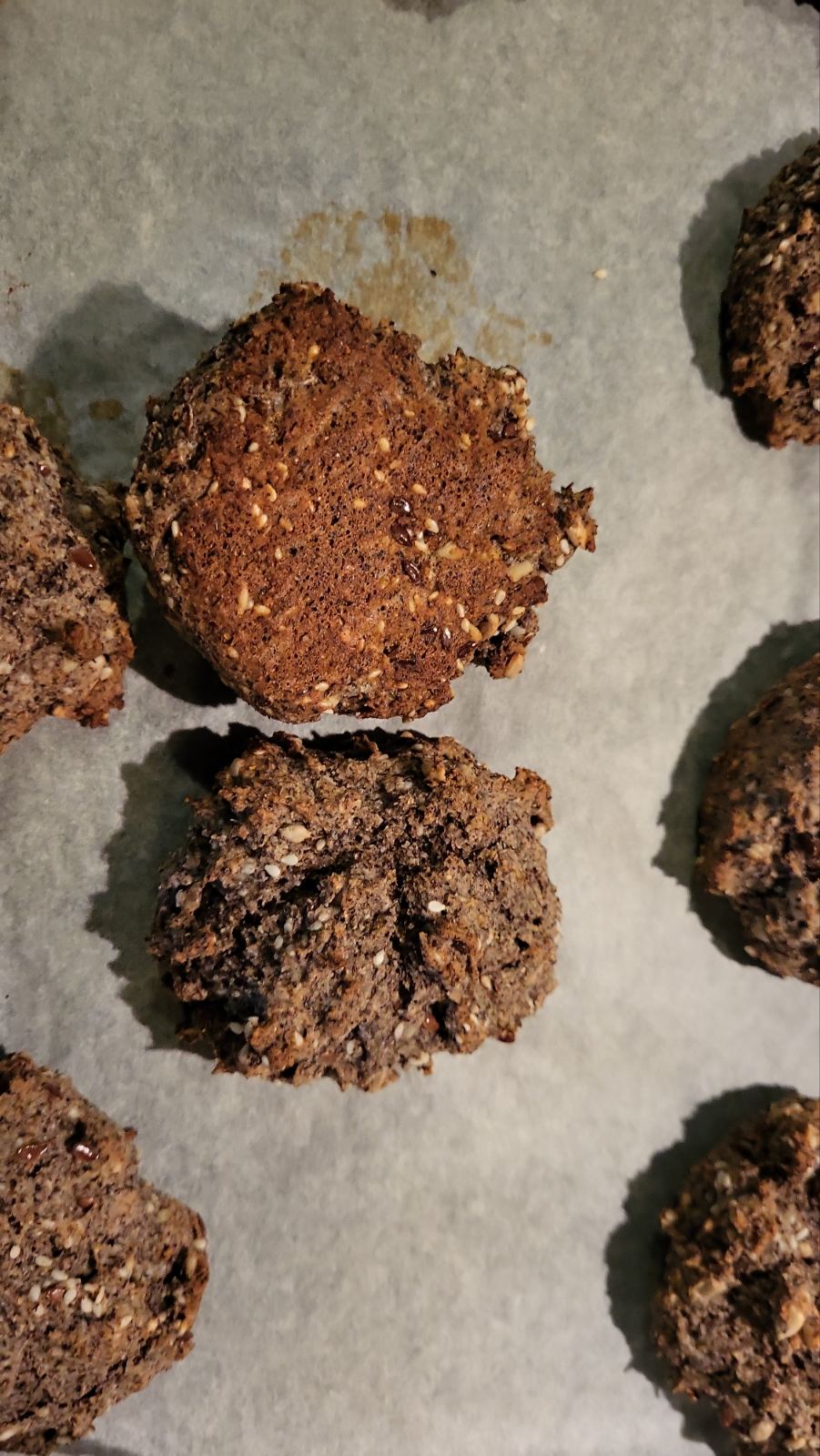
Bread made from 100% buckwheat flour offers many nutritional benefits for people focusing on balanced blood sugar, gut health, and gluten-free eating. Thanks to its unique nutritional profile, buckwheat can be a great alternative to traditional wheat-based bread.
Buckwheat is not a true grain but a naturally gluten-free seed, making it suitable for people with celiac disease, gluten sensitivity, or those looking to reduce inflammatory foods.
Buckwheat has a lower glycemic index compared to refined wheat products, meaning it releases energy more gradually and may help support steadier blood sugar levels.
The fiber in buckwheat supports digestion, gut health, and longer-lasting fullness, making it helpful for balanced eating and appetite control.
Buckwheat contains important minerals such as:
Unlike white bread and many processed baked goods, bread made from pure buckwheat flour contains no refined wheat flour or added sugars.
Because of its fiber and nutrient density, buckwheat bread can help you stay full longer and maintain more stable energy throughout the day.
Including 100% buckwheat bread in your diet can be a nourishing way to enjoy bread while supporting balanced nutrition and digestive health.
Preheat the oven to 200°C (400°F).

In a large bowl, combine the kefir or yogurt with the salt and olive oil. Mix well.

Add the buckwheat flour and baking powder to the wet ingredients and stir with a spoon until fully combined.
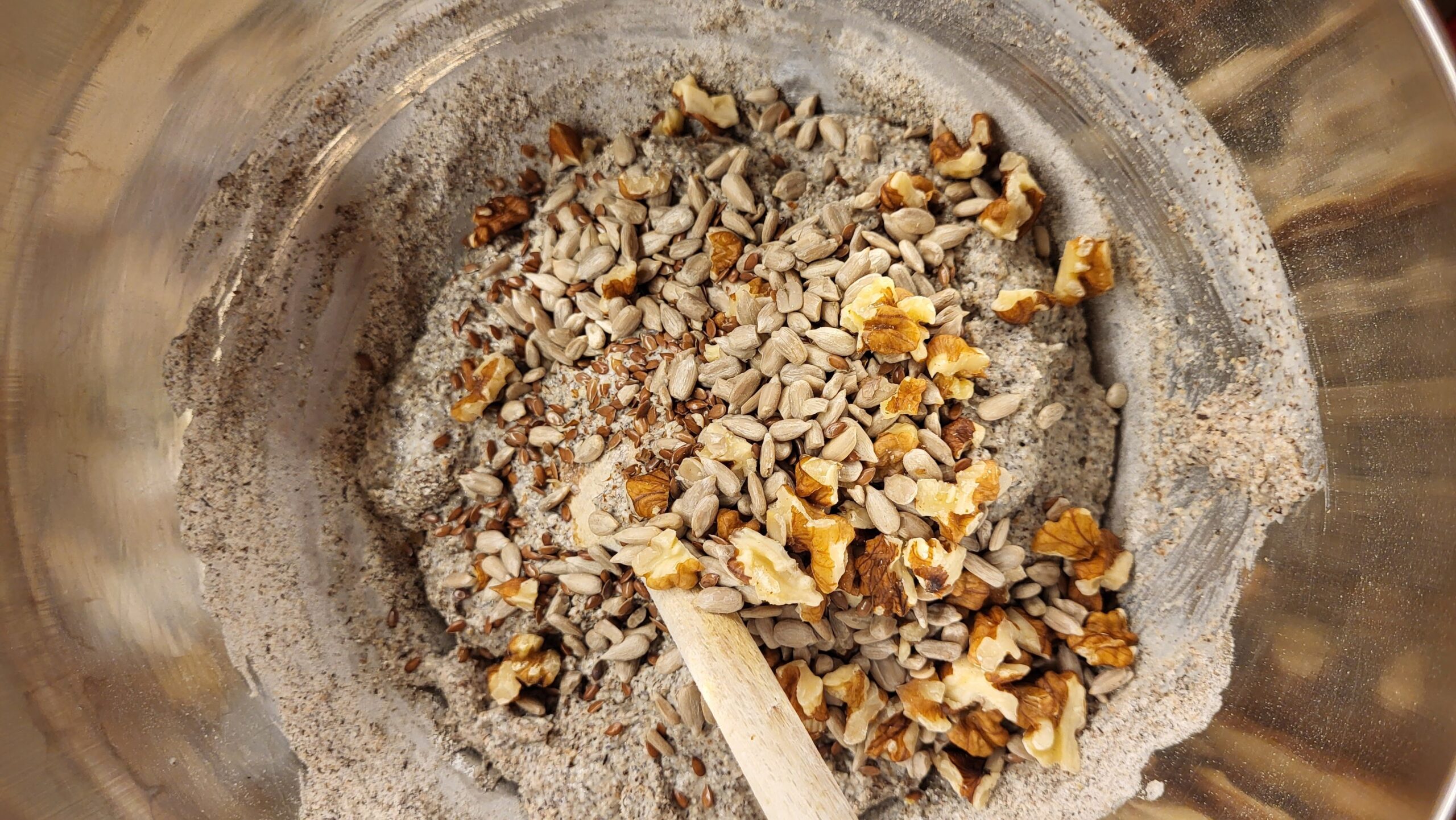
If desired, add the seeds and walnuts and mix again.
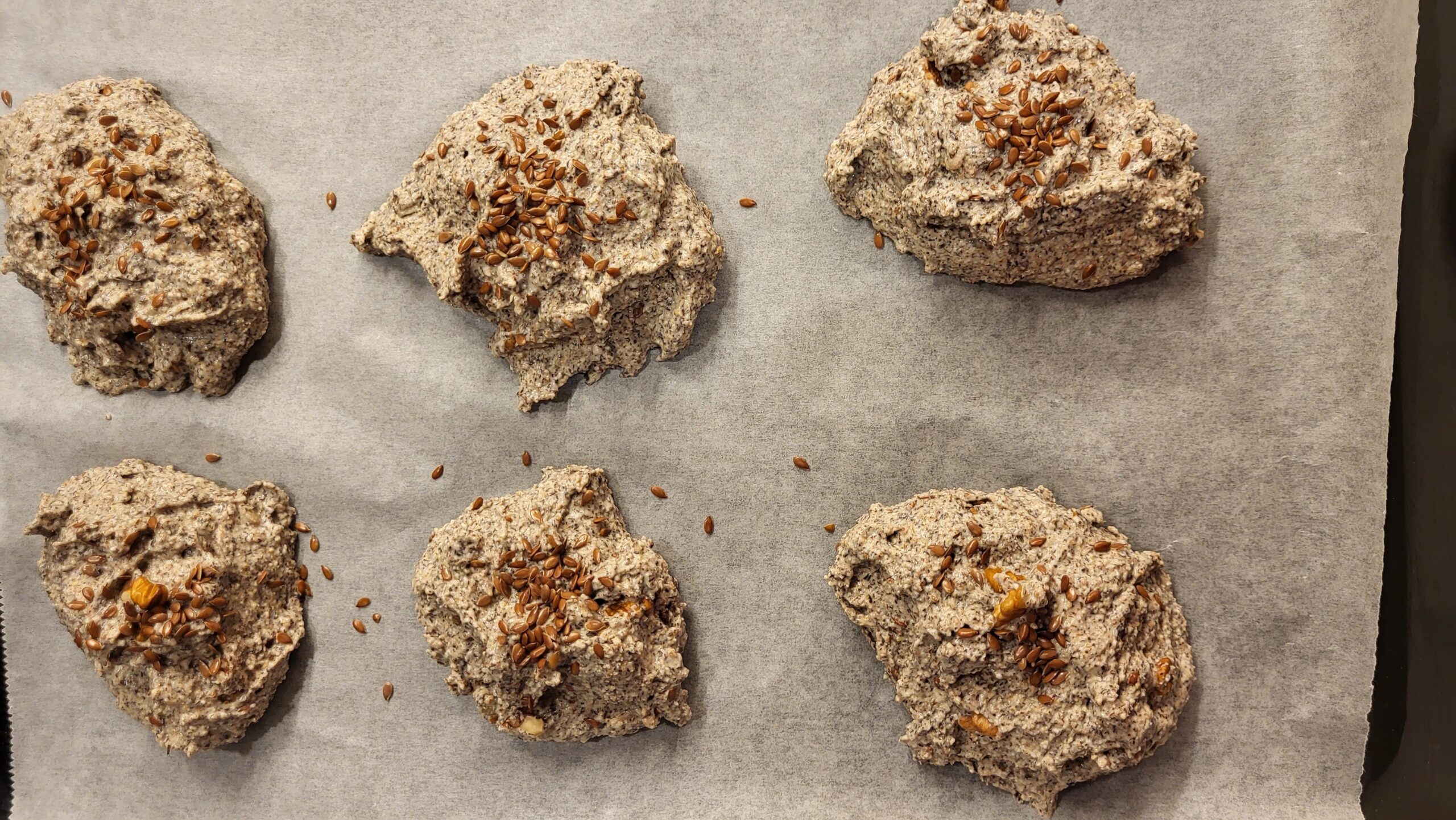
Using a spoon, scoop portions of the dough onto a baking tray lined with parchment paper, shaping them into small bread rolls.
Sprinkle with sesame seeds, flaxseeds, or any seeds you prefer.
Bake for 10–15 minutes.
Check with a toothpick to make sure the rolls are fully baked.
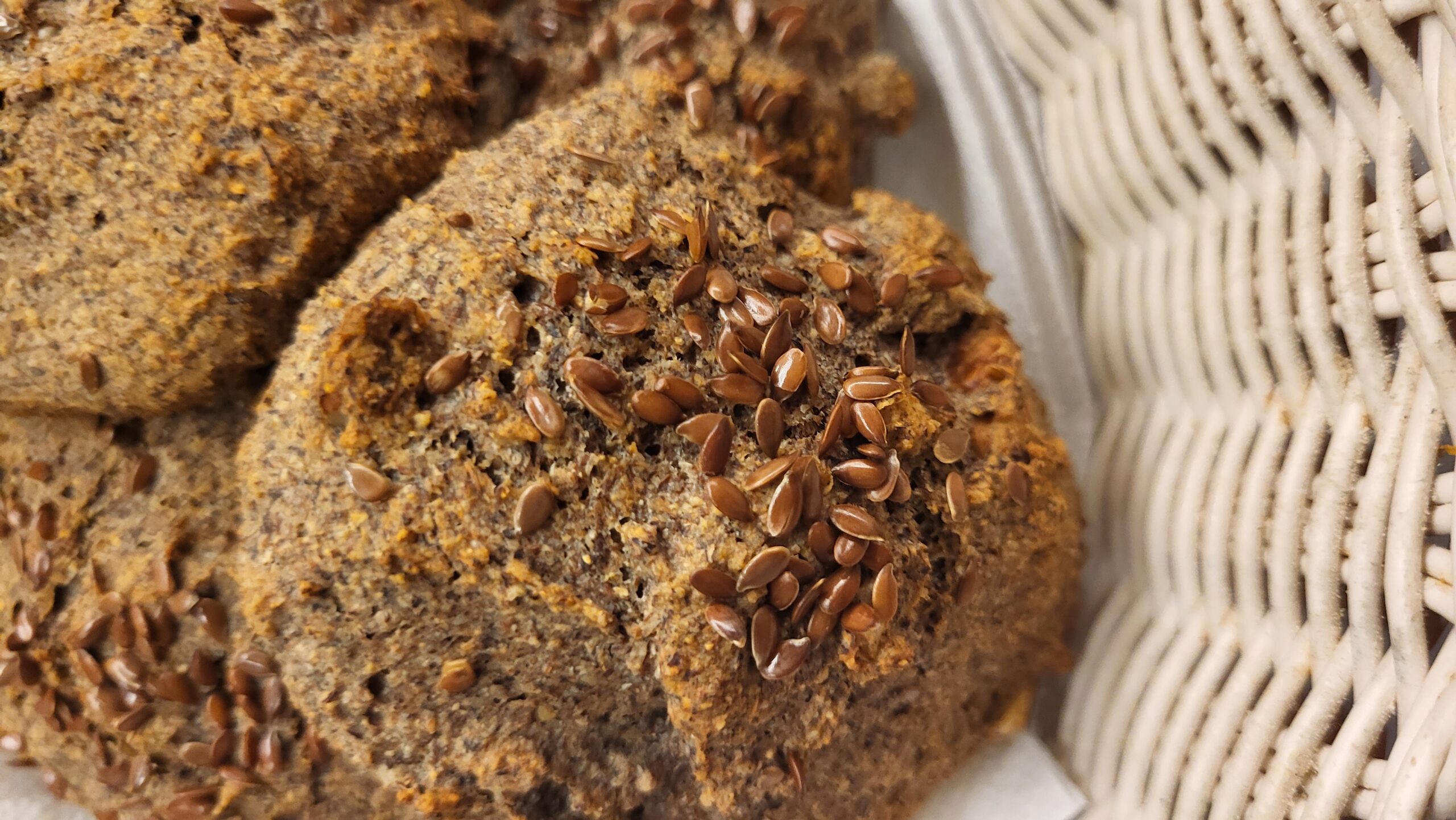
They are especially delicious served warm, fresh out of the oven.
The rolls can be stored at room temperature for 1 day or in the refrigerator for up to 4 days.
Enjoy!