
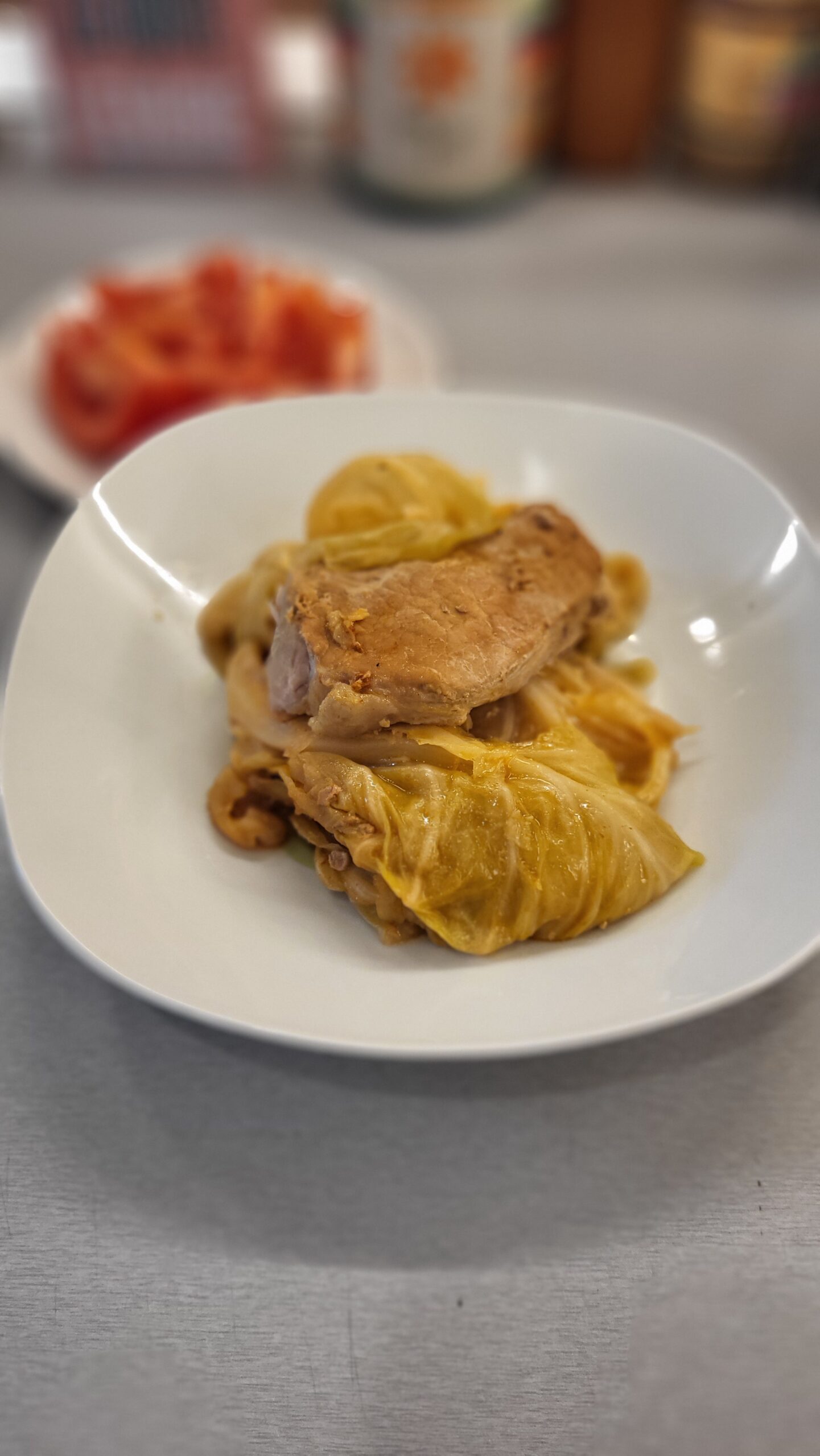
A Low-Carb, High-Fiber One-Pot Meal for Blood Sugar and Gut Support
Cabbage is a spectacular ingredient for anyone navigating Candida overgrowth, insulin resistance (IR), and diabetes. It is naturally low in carbohydrates and carries a very low glycemic index (GI), meaning it helps maintain remarkably stable blood sugar curves. Brimming with dietary fiber, cabbage slows down sugar absorption in the digestive tract while providing essential prebiotics that reinforce gut health—a vital step in clearing systemic Candida. Additionally, it is packed with cellular antioxidants and anti-inflammatory compounds that promote overall metabolic balance.
Preparing a slow-simmered cabbage stew with pork offers unique nutritional advantages. Cooking softens the cabbage fiber, making it incredibly gentle on the digestive system. At the same time, the high-quality protein and clean fats from the pork provide long-lasting satiety and prevent post-meal glucose spikes. Wholesome fats from the meat also facilitate the absorption of fat-soluble vitamins, such as the Vitamin K heavily present in cabbage. By avoiding traditional flour thickeners (zaprška) and omitting bread at the table, this clean, traditional dish becomes a powerful therapeutic meal.
For this specific recipe, we highly recommend using fresh spring cabbage. Its leaves are thinner, tender, and loosely packed, making the head feel light. This type of cabbage cooks much faster, digests beautifully, and absorbs all the savory juices from the meat.
For this specific recipe, we highly recommend using fresh spring cabbage. Its leaves are thinner, tender, and loosely packed, making the head feel light. This type of cabbage cooks much faster, digests beautifully, and absorbs all the savory juices from the meat.
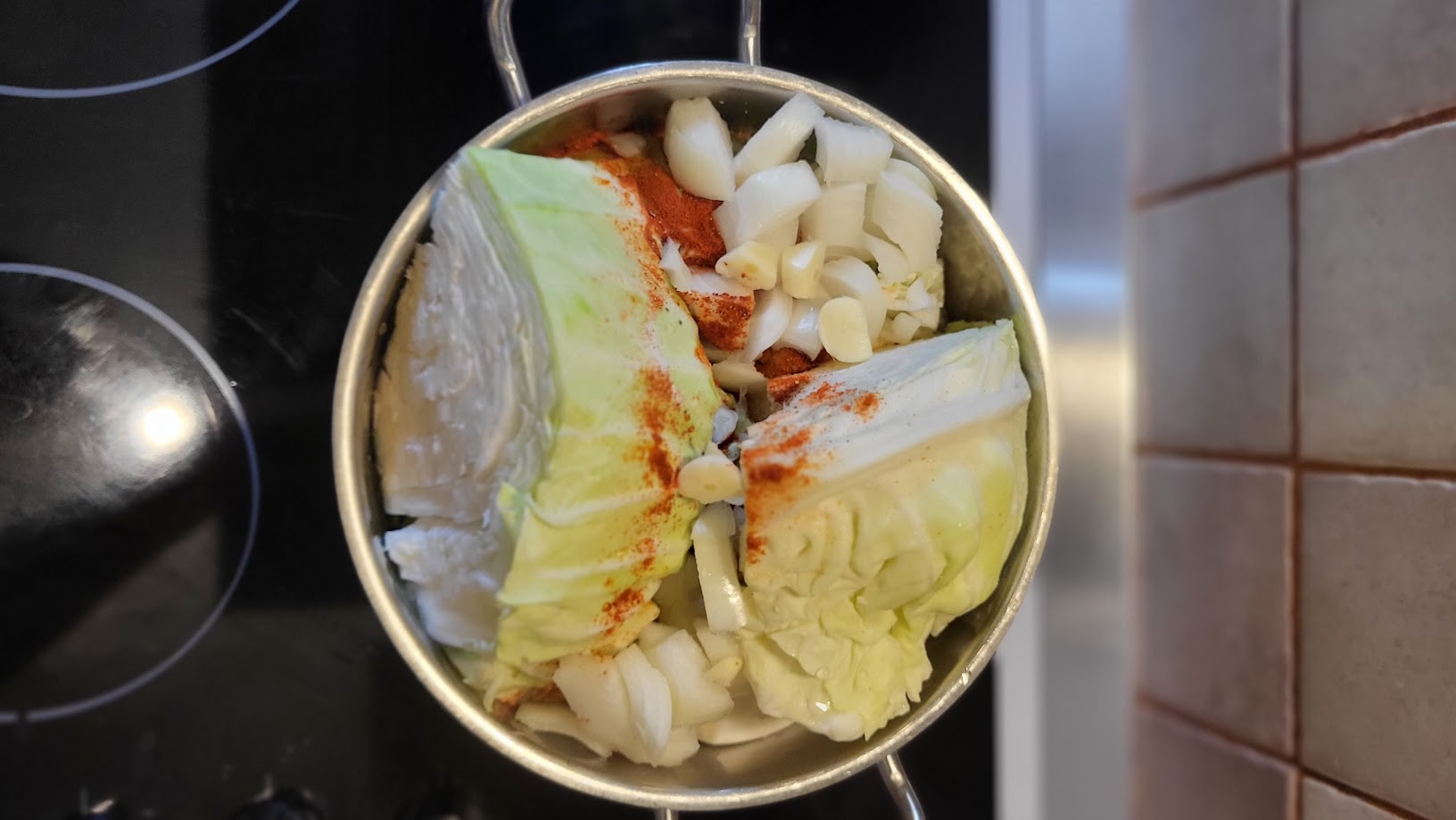
Remove any damaged outer leaves from the cabbage head. Cut around the core to remove it, then chop the remaining cabbage into large, rustic chunks. Layer the chopped cabbage directly into a deep, heavy-bottomed pot.
Scatter the chopped yellow onion and minced garlic over the cabbage. Season generously with sea salt, freshly ground black pepper, and sweet ground paprika. Pour in about half a cup of water (100–150 ml) just to create enough steam to start the cooking process.
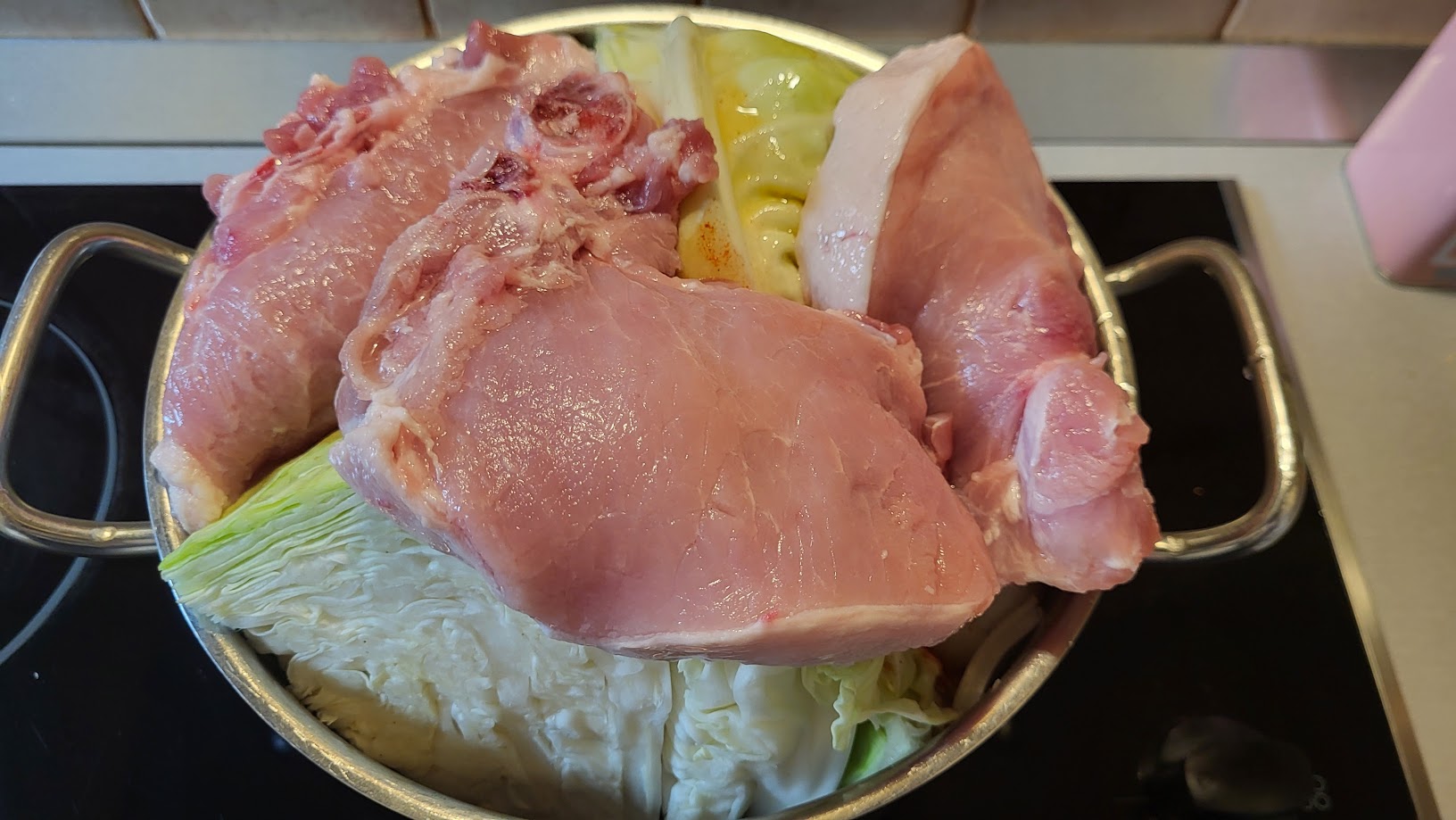
Place your seasoned pork chops directly on top of the cabbage layers. Drizzle the extra virgin olive oil evenly over the meat and vegetables, then cover the pot with a tight-fitting lid.
Place the pot over medium-low heat and let it simmer gently for 1 to 1.5 hours. The exact duration depends entirely on the cabbage—tender young cabbage will soften quickly, while denser varieties will require more time.
Crucial Tip: Avoid stirring the stew frequently while it cooks. Young cabbage becomes very tender, and aggressive stirring can break the pieces down into a mushy puree. Let the steam and low heat do the work.
The dish is ready when the meat is incredibly tender and easily pulls apart with a fork, and the cabbage has melted into a rich, savory consistency. Serve the warm stew into deep bowls.
Enjoy!