
A Nutrient-Dense Mediterranean Spread for Blood Sugar Control and Metabolic Balance
Hummus is a traditional Middle Eastern spread made from chickpeas, celebrated globally for its rich, savory flavor and exceptional nutritional profile. Packed with plant-based protein, heart-healthy fats, and dietary fiber, it serves as an ideal option for individuals managing diabetes, insulin resistance (IR), and those following a strict gluten-free lifestyle. If you are starting with raw, dry chickpeas, proper preparation is the ultimate key to unlocking maximum nutrient bio-availability and ensuring smooth, effortless digestion.
Chickpeas (also known as garbanzo beans) belong to the legume family and are remarkably rich in both soluble and insoluble fiber, complex carbohydrates, essential minerals, and protective antioxidants. These nutrient-dense little pearls possess a remarkably low glycemic index (GI), typically ranging between 28 and 32. This means the complex carbohydrates break down slowly, releasing glucose gradually into the bloodstream. This prevents sharp insulin spikes and provides stable, clean energy throughout the day—a foundational element in dietary protocols for diabetes and insulin resistance. Furthermore, the high fiber content promotes deep satiety, making weight management much easier.
When it comes to systemic Candida overgrowth, chickpeas sit in a "gray area." While some protocols allow them in moderation, others suggest avoiding legumes during the strict, initial phase due to potential gut fermentation. However, well-cooked chickpeas contain complex carbs that are far less likely to feed yeast compared to simple sugars and refined grains. The key here is moderation and listening to your body's unique response.
Beyond metabolic and gut benefits, chickpeas are a powerhouse of manganese, magnesium, zinc, iron, phosphorus, and folates—supporting your immune system, bone density, and neurological health. Being naturally gluten-free, they are a perfect safe haven for anyone dealing with celiac disease or non-celiac gluten sensitivity.
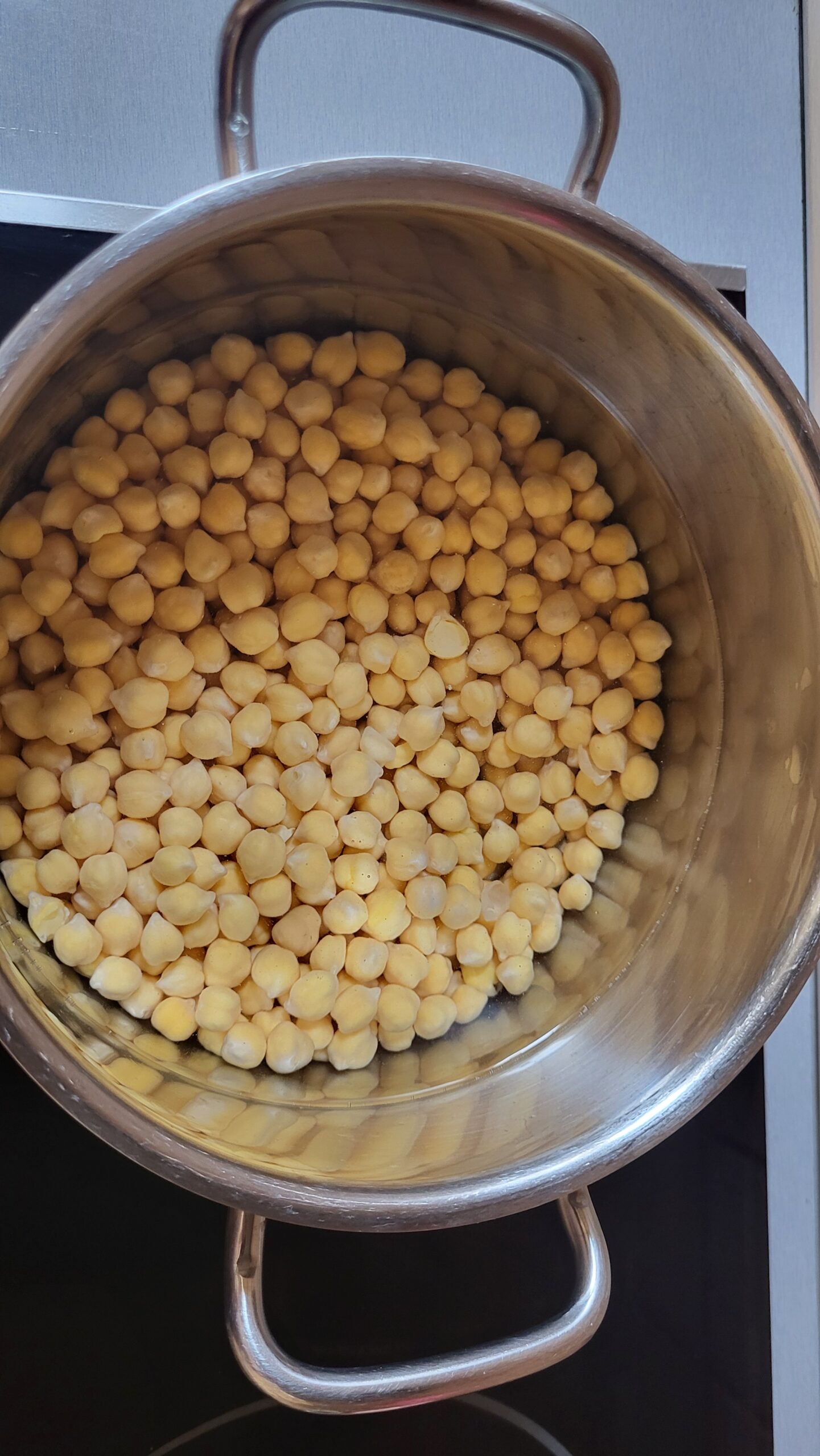
Place the dry chickpeas in a large bowl, cover generously with cold water, and let them soak for 8 to 12 hours (preferably overnight). Once soaked, rinse them thoroughly under running water. Transfer them to a deep pot, pour in fresh water, and bring to a boil. Simmer on medium-low heat for about 60 minutes until the chickpeas are completely soft.
Add a tiny pinch of baking soda (soda bikarbona) to the boiling water. This breaks down the skins faster, resulting in a much smoother blend and making the chickpeas significantly easier to digest.
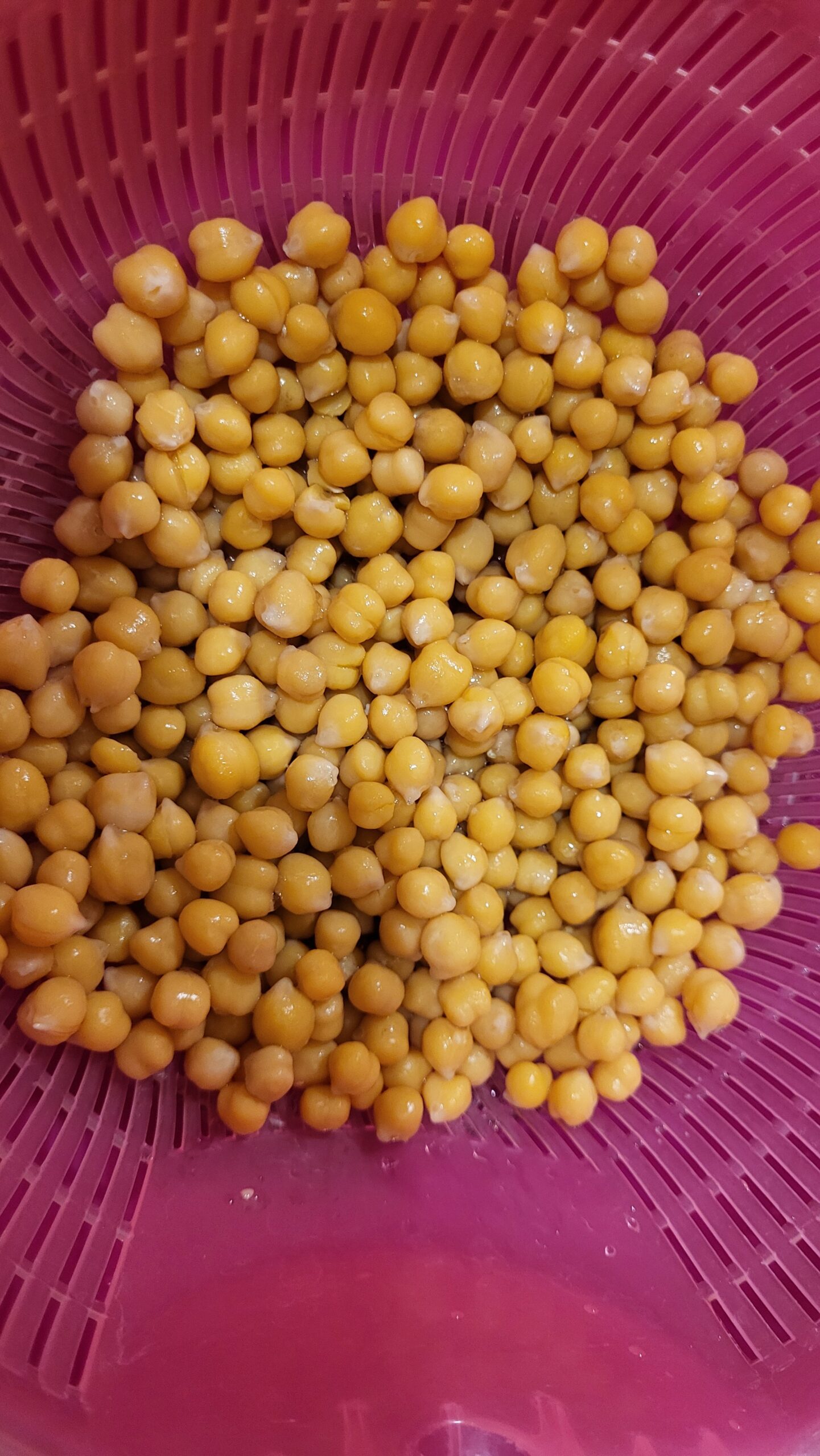
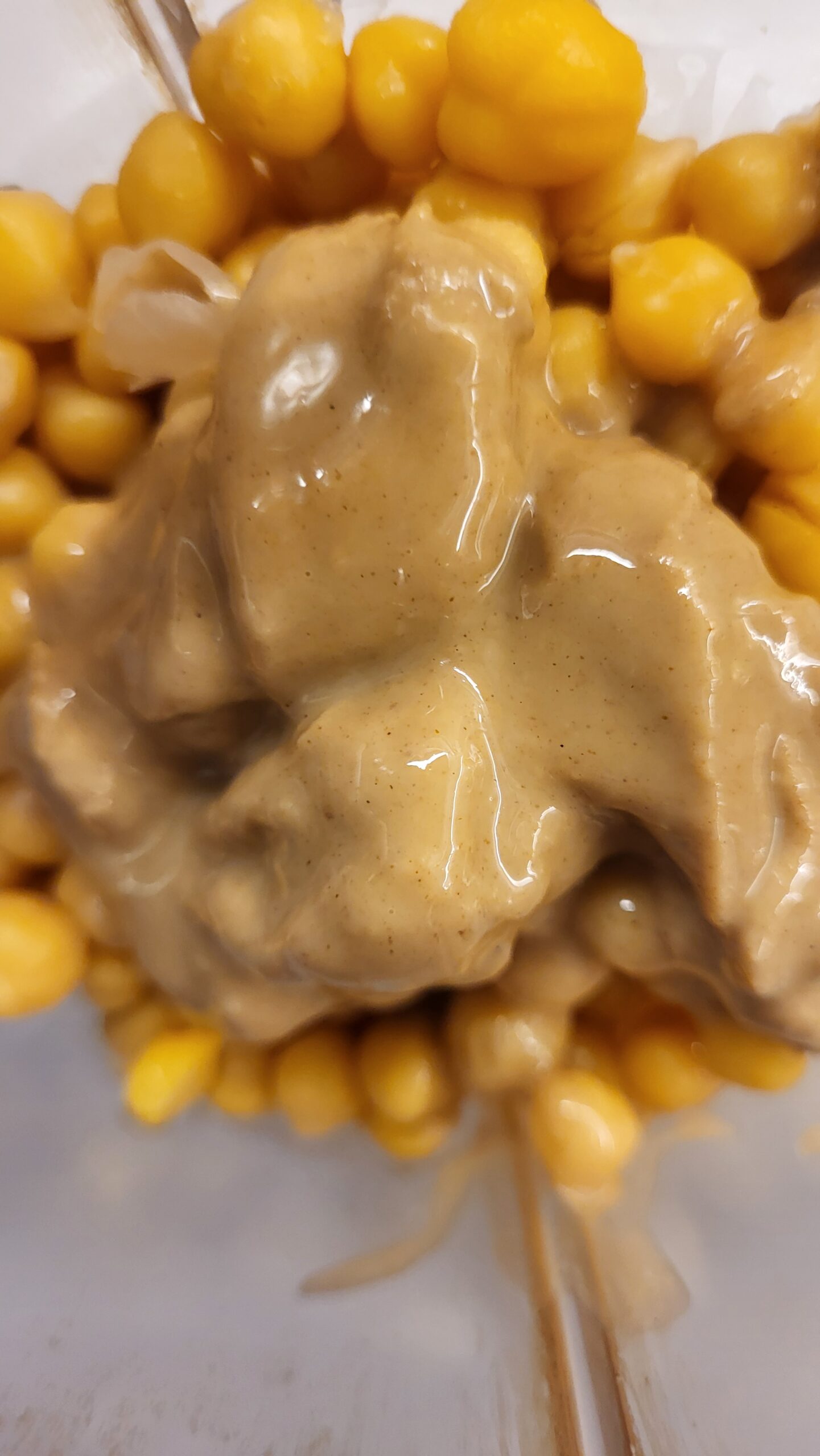
Drain the cooked chickpeas, but make sure to reserve a cup of the cooking liquid. Transfer the warm chickpeas into a high-speed blender or food processor (you can save a few whole grains for garnish later). Add the tahini paste, garlic, fresh lemon juice, extra virgin olive oil, sea salt, and black pepper.
Begin blending on medium speed. To achieve that signature, light-as-air restaurant texture, drop in the 4–5 ice cubes along with a splash of the reserved cooking water. Blend on high for 2–3 minutes until the hummus transforms into a completely smooth, pale, and ultra-creamy paste. Adjust with more cooking water or olive oil if you prefer a thinner consistency.
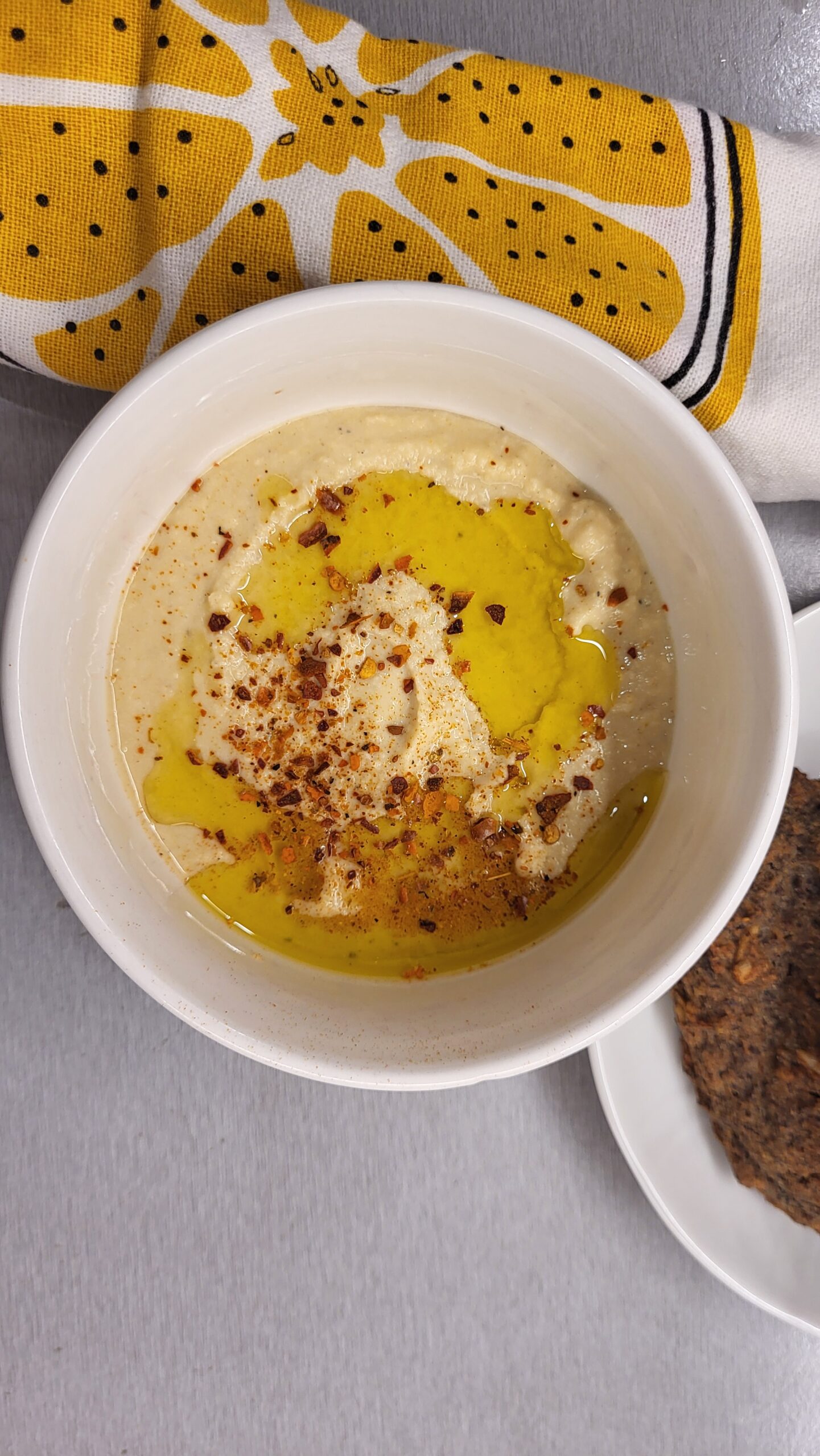
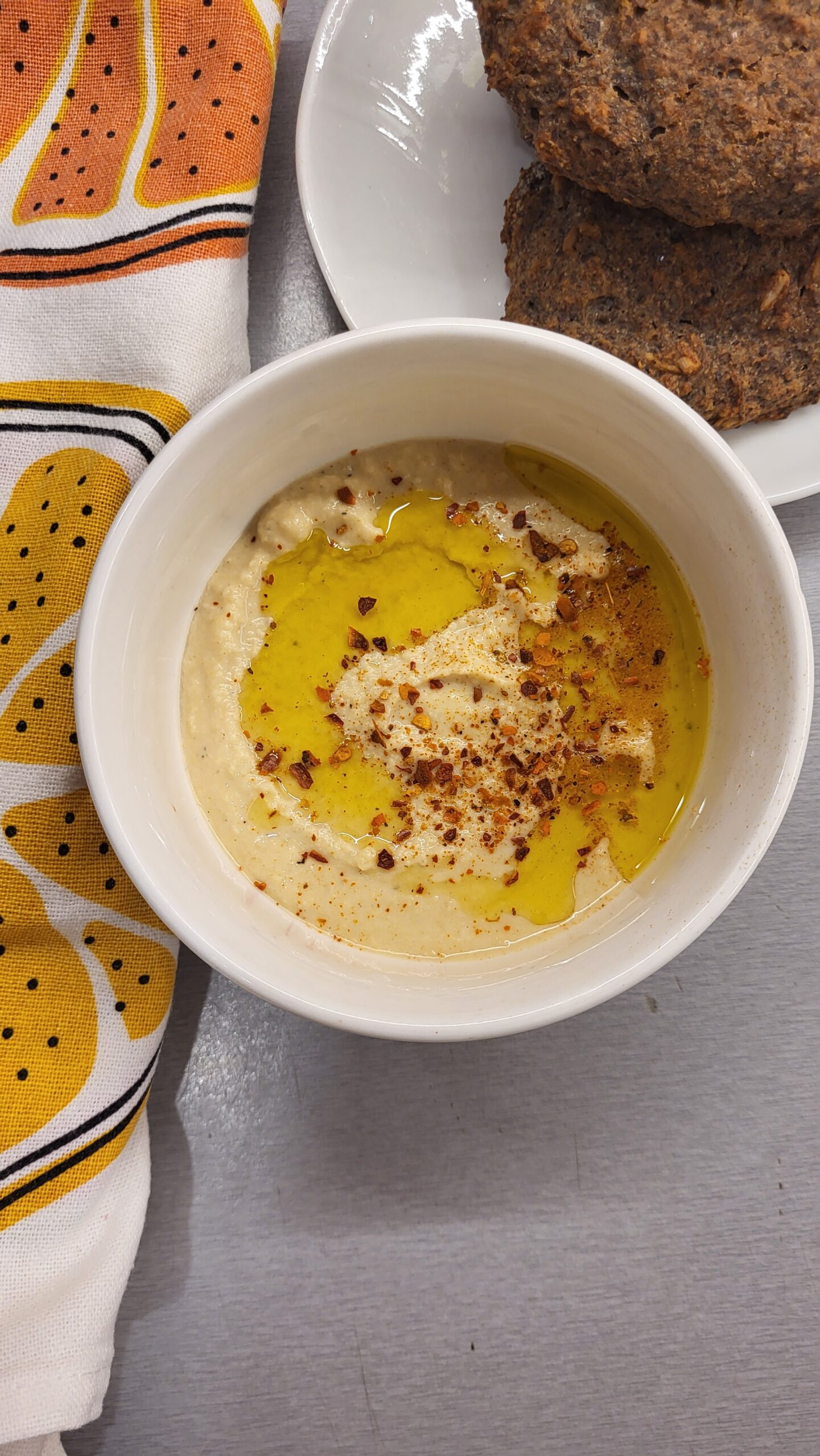
Spoon the fresh hummus into a shallow serving bowl. Use the back of a spoon to create a swirling well in the center. Drizzle generously with extra virgin olive oil, and garnish as desired with a pinch of sweet paprika, ground cumin, whole chickpeas, or finely chopped fresh parsley.
Store your homemade hummus in an airtight container in the refrigerator for up to 4–5 days. It makes a fantastic sandwich spread, a dip for crisp vegetable sticks (celery, cucumbers), or a nutrient-dense side for your favorite protein dishes!