Candida is a natural inhabitant of the human body, but when it grows out of control, it can trigger a range of uncomfortable symptoms and serious health issues. In this comprehensive guide, you will learn what Candida is, where it lives, the difference between normal and elevated levels, what systemic Candida means, its symptoms, the duration of treatment, how to combat it through diet, and what to expect during the so-called “die-off” reaction.
What is Candida and Where is It Found in the Body?
Candida (specifically Candida albicans) is a type of yeast (fungus) that normally resides in and on our bodies—primarily in the intestines, mouth, throat, vagina, and on the skin. In small amounts, Candida is completely harmless and forms an essential part of a healthy microbiome. However, when a microbial imbalance occurs—due to a weakened immune system, a poor diet, chronic stress, or antibiotic use—Candida can multiply rapidly.
Normal vs. Elevated Candida Levels
Candida levels can be evaluated through stool samples, swabs, or blood tests (measuring IgG, IgA, and IgM antibodies against Candida albicans).
- Normal Levels: Mean that the yeast is present in the body but safely kept in check by the immune system.
- Elevated Levels: Indicate an active infection—either localized or systemic.
- Lab Manifestations: Stool tests often use a scoring system like ++ or +++ to denote significant overgrowth. In blood work, IgG indicates a chronic or past exposure, IgM points to an acute/current infection, and IgA typically reflects an infection of the mucous membranes.
What is Systemic Candida?
Systemic candidiasis is a severe medical condition where Candida enters the bloodstream from the digestive tract and spreads throughout the entire body. This is a life-threatening state seen almost exclusively in severely immunocompromised individuals, such as patients with HIV, undergoing cancer treatments, post-surgery, organ transplant recipients, or those on long-term high-dose antibiotics or corticosteroids.
For the vast majority of people, however, the issue is not clinical systemic candidiasis, but rather Candida Overgrowth Syndrome—a state where the yeast disrupts the balance of the gut microbiome, causing systemic, chronic symptoms.
Symptoms of Candida Overgrowth
Because Candida affects multiple systems in the body, its symptoms can be highly diverse and easily confused with other conditions:
- Bloating, gas, diarrhea, or constipation
- Chronic fatigue and generalized weakness
- Intense cravings for sugar and refined carbohydrates
- Fungal infections of the skin, nails, oral cavity (thrush), or vagina
- “Brain fog” and difficulty concentrating
- Mood swings, anxiety, and depression
- New food intolerances or environmental allergies
- Bad breath and a thick white coating on the tongue
- Frequent infections due to compromised immunity
How Long Does Candida Treatment Take?
The recovery timeline can range from a few weeks to several months, depending heavily on the severity of the overgrowth and strict adherence to the protocol. For chronic cases, gut rehabilitation typically takes 3 to 6 months, or sometimes longer.
A successful protocol requires a combined approach:
- Dietary Modification (The Anti-Candida Diet)
- Natural Antifungals (Oregano oil, caprylic acid, fresh garlic, coconut oil)
- Medical Antifungals (If explicitly prescribed by a physician)
- Microbiome Support (High-quality probiotics and targeted prebiotics)
How to Starve Candida Through Diet
The core dietary strategy is to “starve” the yeast by completely eliminating the foods that fuel its replication.
🟢 Allowed Foods
- Vegetables: Almost all non-starchy vegetables (avoid potatoes, corn, and large amounts of cooked carrots).
- Proteins: Wild-caught fish, poultry, eggs, and lean beef.
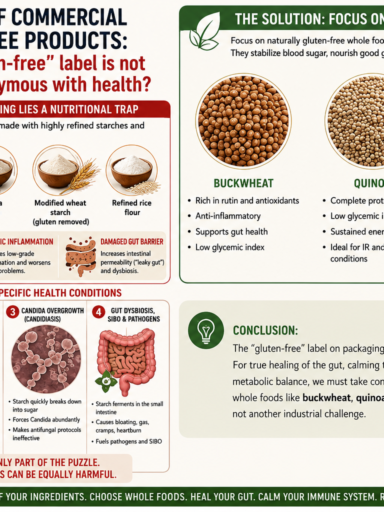
- Pseudograins: Buckwheat, quinoa, and amaranth (in moderate portions).
- Healthy Fats: Coconut oil, extra virgin olive oil, and avocado.
- Fermented Foods: Homemade kefir, traditional sauerkraut, and kombucha (use with caution).
- Nuts: Almonds and hazelnuts.
- Low-Sugar Fruit: Raspberries, blackberries, blueberries, and 1–2 green apples per week.
- Herbal Teas: Peppermint, sage, and ginger.
❌ Banned Foods
- Sugars: All refined sugars and natural sweeteners (including honey, maple syrup, and agave).
- Striches & Grains: Potatoes, corn, rice, and all wheat-based bakery products, bread, and pasta.
- Alcohol & Juices: All alcoholic beverages and fruit juices.
- High-Sugar Fruits: Bananas, grapes, and dried fruits (especially in the initial phase).
- Conventional Dairy: All dairy products, with the exception of high-quality kefir.
- Processed Foods: Canned goods, ready-made meals, and industrial additives.
What is the Candida “Die-Off” (Herxheimer) Reaction?
When Candida yeast cells are rapidly destroyed by diet or antifungals, they lyse and release metabolic toxins—such as acetaldehyde, ammonia, and glucans—into the bloodstream. This sudden influx of toxins causes a temporary flare-up of symptoms known as a die-off response.
| Common Die-Off Symptoms | Management Strategies |
| Headaches & Brain fog | Drastically increase filtered water intake. |
| Severe fatigue & Muscle aches | Use toxin binders (activated charcoal, bentonite clay, zeolite). |
| Mood swings & Rashes | Prioritize rest and scale back antifungal dosages if needed. |
The die-off reaction typically lasts a few days to a week and is a clinical sign that the treatment is successfully working.
Conclusion
Candida overgrowth is a widespread, yet frequently unrecognized health issue. Overcoming this stubborn yeast requires discipline, balanced supplementation, and patience. If your symptoms are severe or persistent, always consult a physician or a specialized nutritionist for a personalized therapeutic protocol.
Looking for safe, delicious meals that won’t fuel the yeast? You can already find a wide selection of anti-candida recipes right here on our website!