Pumpkin is one of the healthiest foods of the fall and winter seasons. It is rich in fiber, beta-carotene, vitamin C, potassium, and antioxidants. Thanks to its nutritional profile, it can support stable blood sugar levels, aid digestion, strengthen the immune system, and contribute to healthy skin and hormonal balance.
Pumpkin is one of those ingredients that naturally combines flavor, nutrition, and wellness benefits. Whether enjoyed on its own, served as a side dish, or used in healthier desserts, its gentle sweetness and impressive nutrient profile can support overall health and well-being. That is why pumpkin is often recommended as a regular part of a balanced diet — especially during the season when it is freshest and most flavorful.
Roasted Pumpkin – Health Benefits
Roasting gives pumpkin a deeper, naturally caramelized flavor and an even softer texture. At the same time, heat does not destroy its most valuable nutrients. In fact, roasting may help improve the absorption of beta-carotene, which the body converts into vitamin A. This vitamin plays an important role in eye health, skin health, mucous membranes, and normal immune function.
The fiber found in roasted pumpkin supports healthy digestion, promotes regular bowel function, and contributes to a balanced gut environment. Because of this, roasted pumpkin is often a popular option for people with sensitive digestion, Candida-focused diets, or various food intolerances.
Why is it suitable for different dietary needs?
Diabetes and Insulin Resistance
Pumpkin has a relatively moderate glycemic impact, while its fiber content helps slow sugar absorption. When combined with almonds, walnuts, and healthy fats — as in this recipe — its effect on blood sugar becomes even more balanced.
Gluten-Free Diets (Celiac Disease or Gluten Sensitivity)
Pumpkin is naturally gluten-free and works beautifully in gluten-free recipes. In this cake, nuts are used as a flour alternative.
Thyroid Support (Hashimoto’s and Hypothyroidism)
Pumpkin is gentle, easy to digest, and naturally rich in anti-inflammatory compounds and antioxidants that may help support overall hormonal balance.
Candida-Friendly Eating
Pumpkin is often included in many anti-Candida meal plans (depending on the stage of the protocol), especially when prepared without added sugar. Combined with stevia or erythritol and made completely gluten-free, this cake can fit well into such dietary approaches.
Healthy Pumpkin Cake (Gluten-Free, Sugar-Free)
Description
Soft, moist, and delicious — flour-free, dairy-free, and sugar-free.
Ingredients
Instructions
-
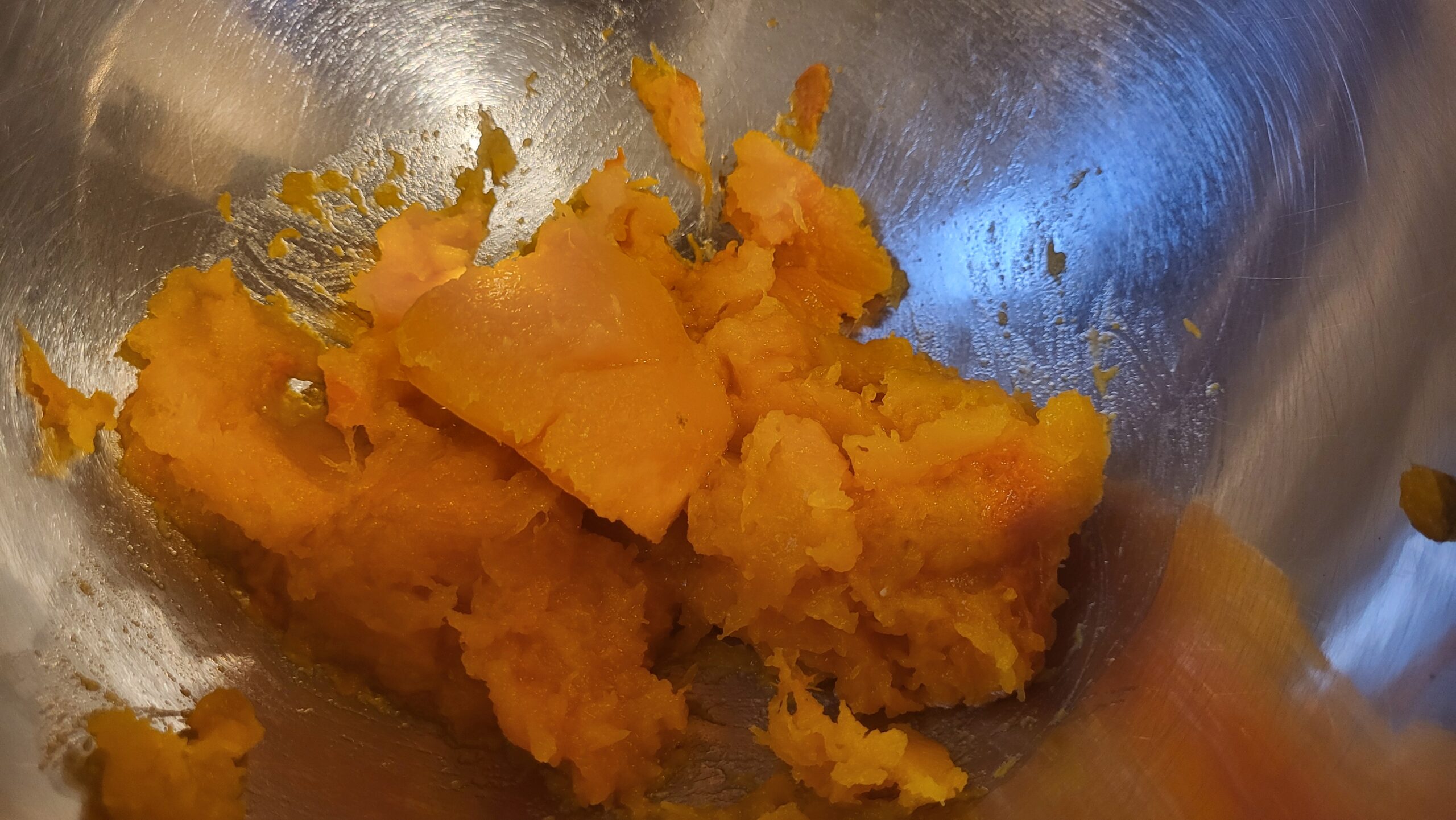
Roast the pumpkin in the oven until soft. Scoop out the flesh with a spoon and mash it into a smooth purée. Allow the purée to cool.
-
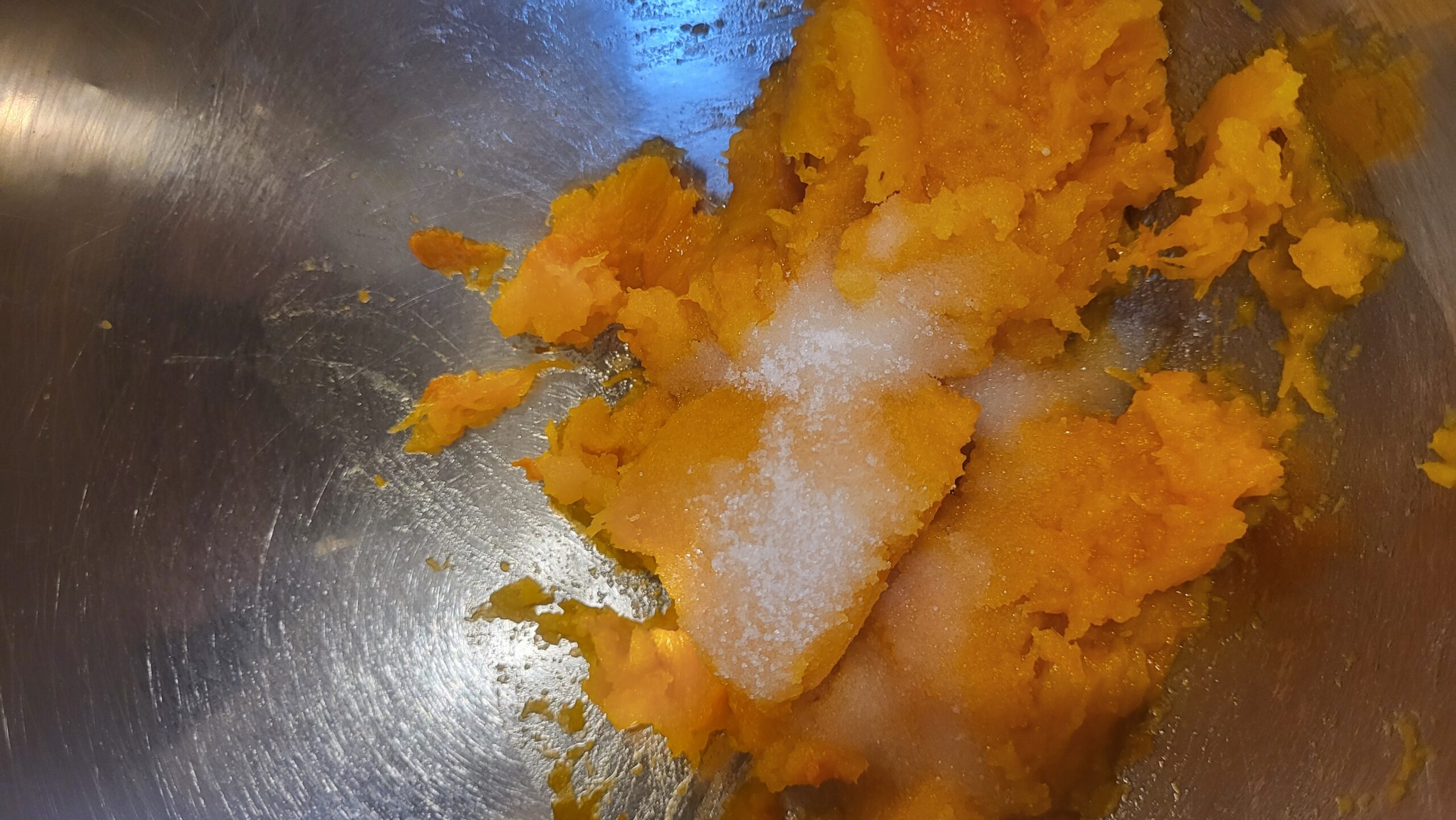
Add the stevia or erythritol to a mixing bowl.
-
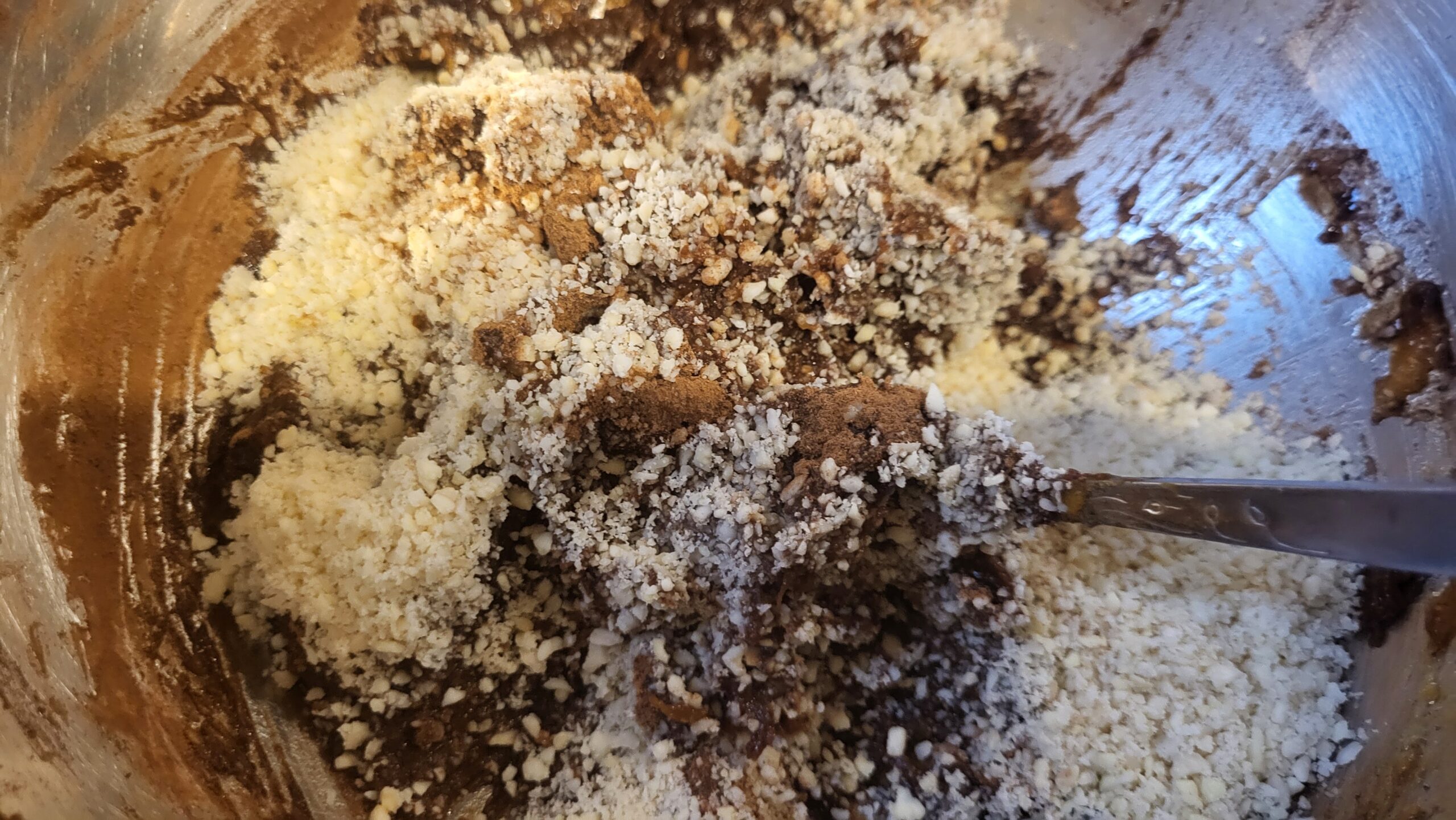
Add the dry ingredients: ground almonds, ground walnuts, cocoa powder, cinnamon, and baking powder.
Add the olive oil as well.
-
Add one egg and mix thoroughly.

-
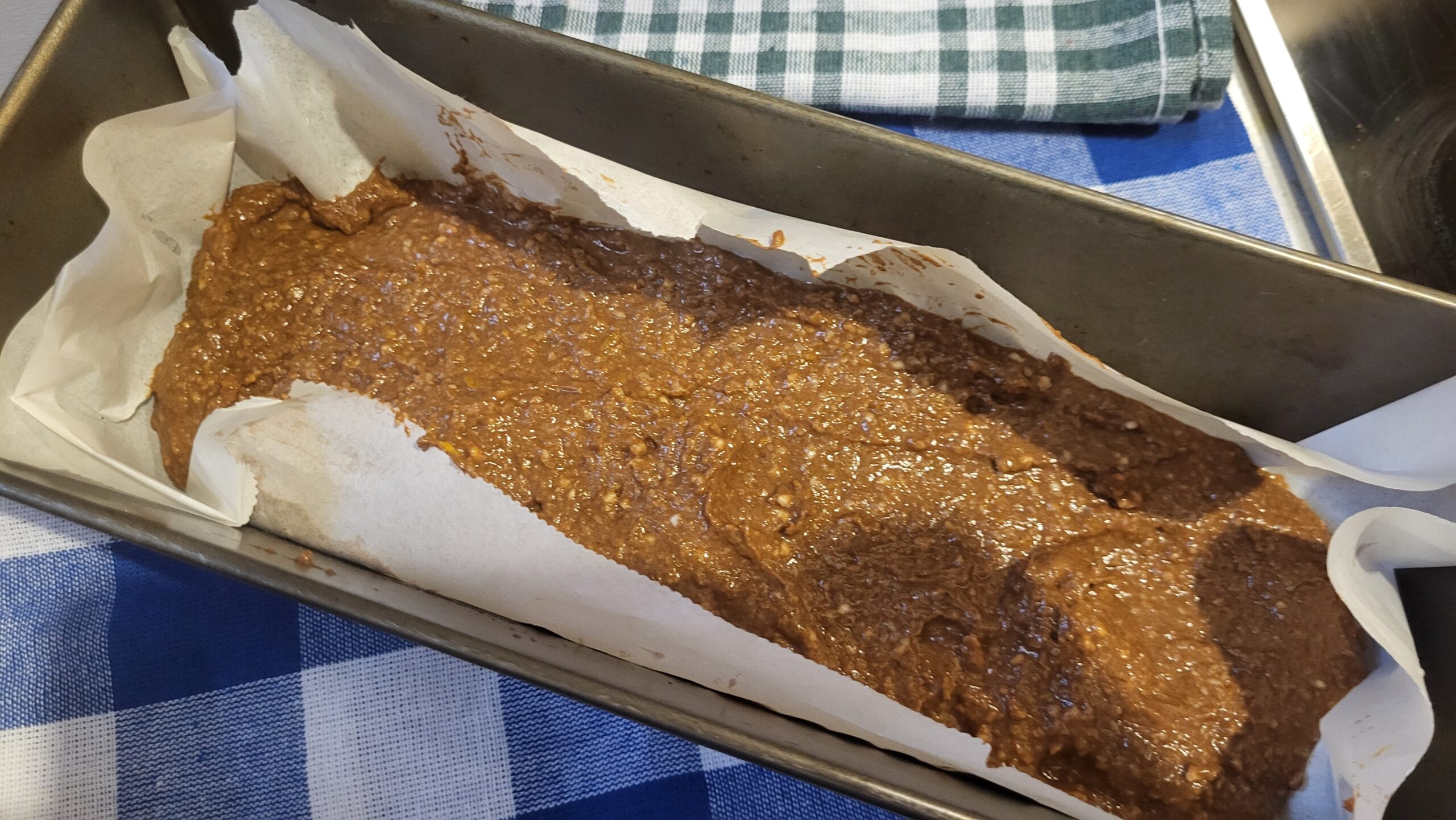
The batter should be thick but spreadable. Pour it into a cake pan or a small baking tray lined with parchment paper.
Bake at 200°C (390°F) for 30–35 minutes.
-
The cake becomes firmer as it cools. Slice into squares or bars and enjoy.