A Balanced, Low-GI Masterpiece for Insulin Sensitivity, Thyroid Conversion, and Anti-Candida Support
When you are searching for a meal that flawlessly balances high-biological-value proteins, clean complex carbohydrates, and an abundance of refreshing, raw vitamins, this recipe is an absolute jackpot. Pork tenderloin is widely recognized as the premium, leanest cut of pork. Due to its exceptionally low fat content and immense nutrient density, it is frequently compared to chicken breast—yet it delivers a significantly richer and more diverse micronutrient profile.
A Masterclass in Nutrient Synergy
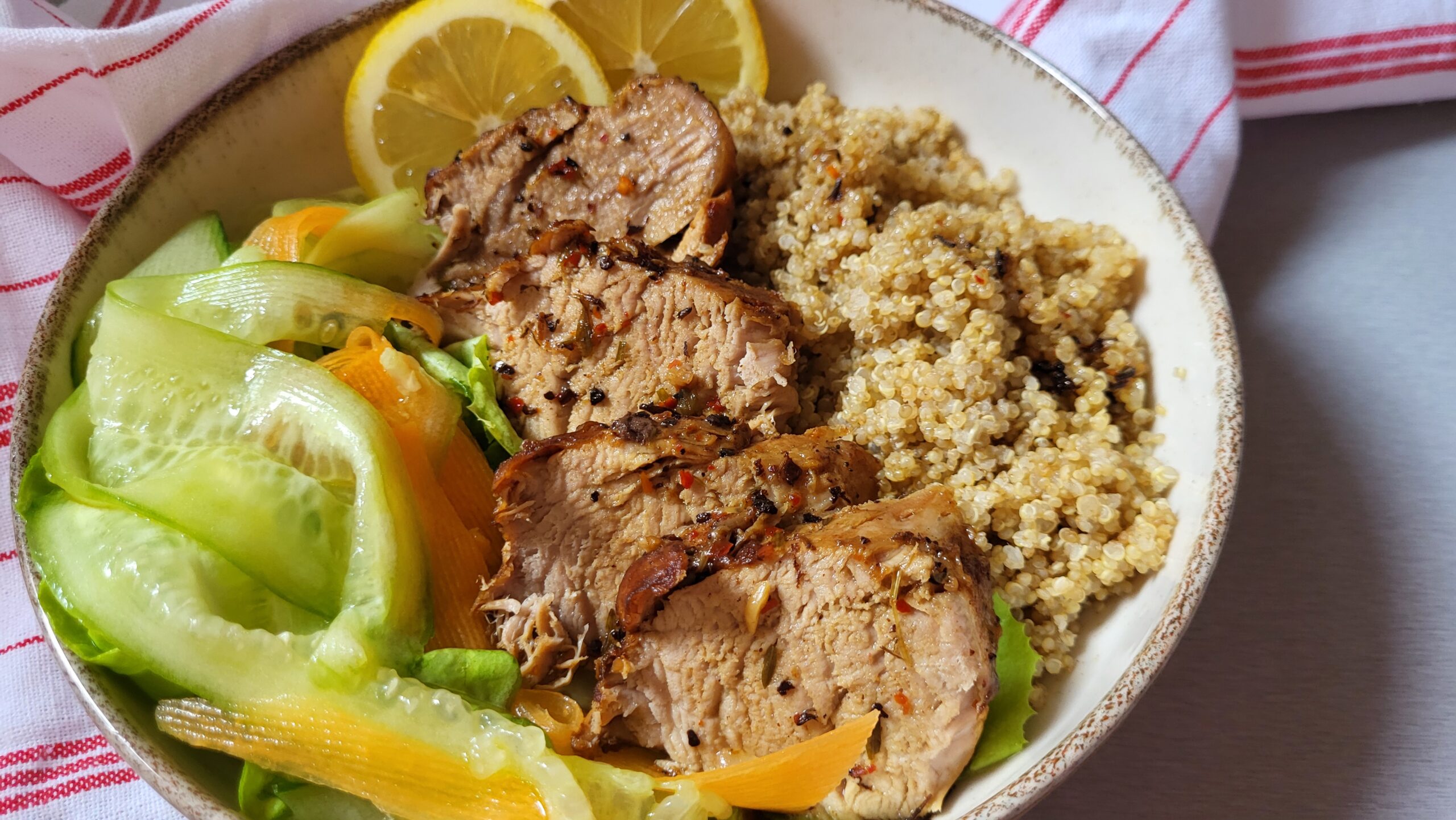
Pairing perfectly cooked pork tenderloin with fluffy quinoa and a vibrant, crisp salad of cucumber, carrots, and leafy greens isn’t just visually stunning; it is a textbook example of functional plate design:
- Complete Proteins & Sustained Energy: Pork tenderloin provides top-tier animal protein, while quinoa (an ancient pseudo-cereal loaded with prebiotic fiber) offers complex, low-glycemic carbohydrates. Quinoa is unique because it contains all nine essential amino acids. Combined with the lean meat, it forms a powerful metabolic duo that stabilizes blood glucose curves and guarantees 4 to 5 hours of deep satiety.
- Maximizing Heme Iron Absorption: The highly bioavailable heme iron found in pork tenderloin is functionally enhanced when consumed alongside raw vegetables rich in Vitamin C and living enzymes—provided here by the crunchy carrots, cucumber, and fresh lettuce.
- Fiber and Cellular Hydration for Seamless Digestion: Cucumber and lettuce deliver structured cellular water and intact fibers that ease the heavy enzymatic work of breaking down meat proteins. The beta-carotene from carrots and the broad spectrum of minerals in leafy greens perfectly balance the metabolic acidity of the protein, leaving you feeling light, refreshed, and completely free of post-meal heaviness.
MICRONUTRIENT PROFILE: THE PORK TENDERLOIN VAULT
Pork tenderloin is a powerhouse of essential micronutrients that directly fortify cellular energy pathways, metabolic enzymes, and the central nervous system:
- High-Dose B-Complex Vitamins: It is exceptionally rich in Vitamin B1 (thiamine)—containing drastically higher levels than beef or poultry—which serves as the mandatory coenzyme for carbohydrate metabolism. It also boasts therapeutic levels of Vitamin B6 and B12 (essential for red blood cell synthesis and cognitive function), alongside Vitamin B3 (niacin).
- Zinc & Selenium: Potent trace minerals that drive endogenous antioxidant systems and safeguard cellular structures from oxidative stress.
- Phosphorus & Potassium: Crucial for preserving bone mineral density, cellular fluid balance, and optimal muscle contraction.
CLINICAL & BIOCHEMICAL ANALYSIS BY CONDITION
From a functional nutrition perspective, this plate is a hidden gem for individuals managing insulin resistance, Type 2 diabetes, thyroid dysregulation (both hypothyroidism and Hashimoto’s), and systemic Candida overgrowth.
1. Insulin Resistance & Type 2 Diabetes
The primary therapeutic goal here is tight glycemic control and minimizing insulin surges.
- The Quinoa Advantage: Quinoa features a low-to-moderate glycemic index (GI ~53) and is dense in protein and fiber. This structural matrix ensures that its complex carbohydrates break down slowly, preventing sharp postprandial glucose spikes.
- The Protein-Fiber Shield: When complex carbohydrates are eaten in immediate lockstep with lean protein (pork) and raw fiber (salad), gastric emptying slows down even further, smoothing out the insulin curve.
- Turmeric Activation: The inclusion of turmeric introduces curcumin, a compound clinically shown to improve peripheral insulin sensitivity and assist glucose transport into cells.
2. Thyroid Health (Hypothyroidism & Hashimoto’s Thyroiditis)
The clinical focus for thyroid optimization centers on dampening systemic inflammation and securing key enzymatic cofactors.
- 100% Gluten-Free: Quinoa is naturally gluten-free. For individuals with Hashimoto’s (an autoimmune condition), eliminating gluten frequently correlates with a significant reduction in thyroid antibodies and a calming of the systemic immune response.
- The Selenium-Zinc Pivot: Pork tenderloin supplies an ideal ratio of selenium and zinc. These two specific minerals are absolutely mandatory for the peripheral conversion of the inactive thyroid hormone (T4) into its biologically active form (T3).
- Goitrogen-Free Peace of Mind: Unlike raw cruciferous vegetables (broccoli, cabbage, kale) which contain goitrogens that can potentially interfere with iodine uptake when consumed raw, carrots, cucumbers, and lettuce are completely safe and exert zero negative pressure on the thyroid gland.
3. Candida Overgrowth Protocols
An effective anti-Candida protocol requires the strict elimination of refined sugars, yeasts, and rapidly fermentable starches that feed fungal populations.
- Zero Simple Sugars: This entire meal is completely void of processed sugars or refined grains.
- Quinoa as a Safe Carbohydrate Zone: While aggressive anti-Candida diets heavily restrict carbohydrates in the initial weeks, quinoa is universally one of the first pseudo-cereals reintroduced. It is exceptionally well-tolerated because it does not undergo rapid intestinal fermentation the way modern wheat or corn can.
- The Power of Carvacrol (Oregano): Oregano is the absolute star of this spice blend for anyone fighting Candida. It is rich in carvacrol, a volatile phenol with proven, potent antifungal and antibacterial properties that actively disrupts Candida cell walls. Turmeric further amplifies this broad-spectrum antifungal defense.
Spiced Pork Tenderloin with Quinoa and Fresh Ribbon Salad
Ingredients
Instructions
-
Cook the Quinoa
Place the quinoa in a fine-mesh strainer and rinse it thoroughly under cold running water to strip away the saponins (the natural plant coating that can cause a bitter taste). Transfer the rinsed quinoa to a small saucepan, pour in 2 cups of water, and add a small pinch of sea salt. Bring to a boil, then immediately drop the heat to the lowest setting, cover with a tight lid, and simmer gently for about 15 minutes until all the water is absorbed and the grains look translucent and fluffy. Remove from the heat and let it sit, covered, for an additional 5 minutes. Fluff elegantly with a fork.
-
Season and Sear the Tenderloin
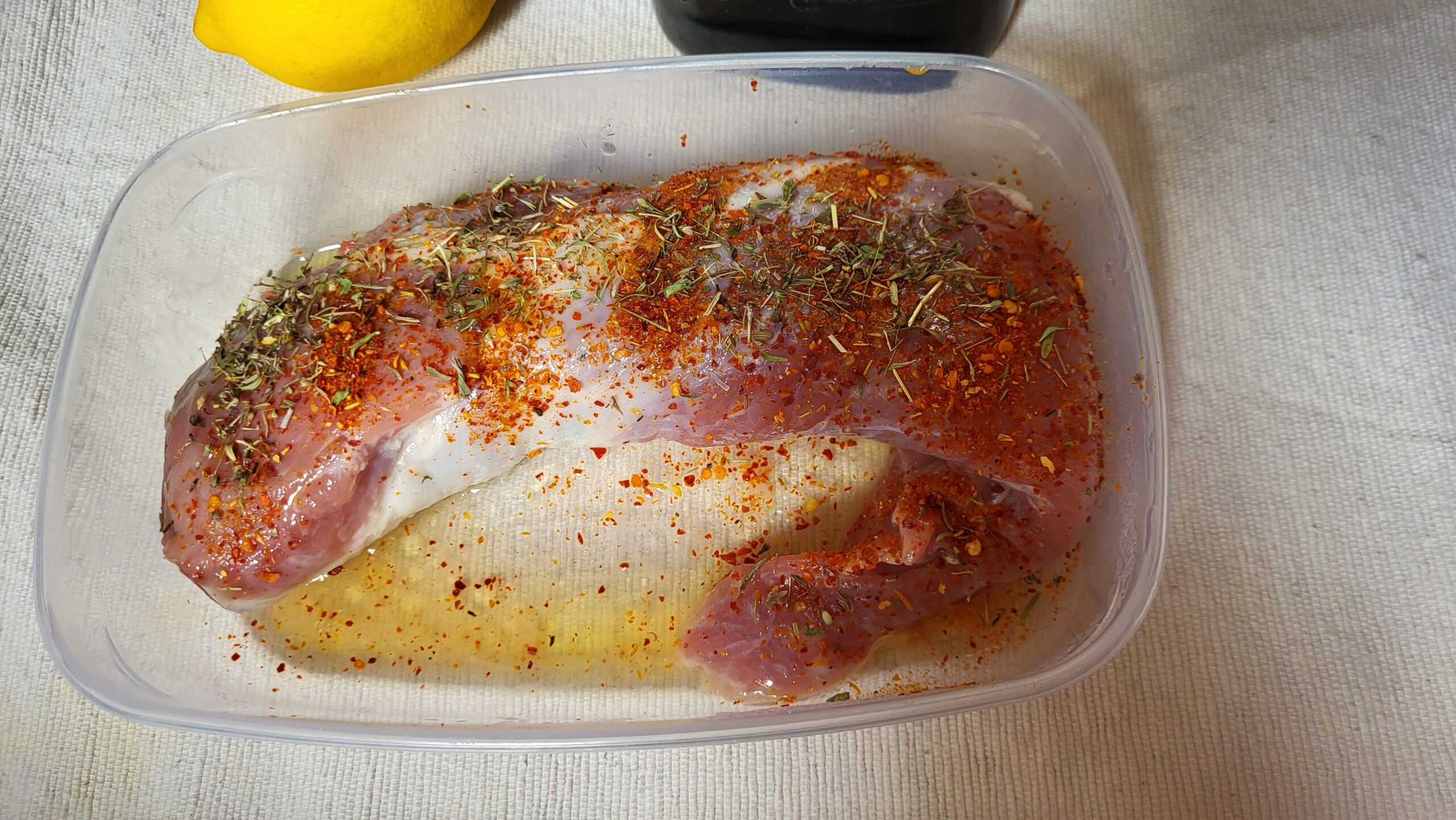
Trim any excess silver skin or connective tissue from the pork tenderloin, then pat the meat completely dry with a paper towel. Season the whole tenderloin generously on all sides, thoroughly rubbing in the sea salt, black pepper, oregano, turmeric, and red pepper flakes. The turmeric will impart a stunning golden hue alongside its anti-inflammatory benefits.
-
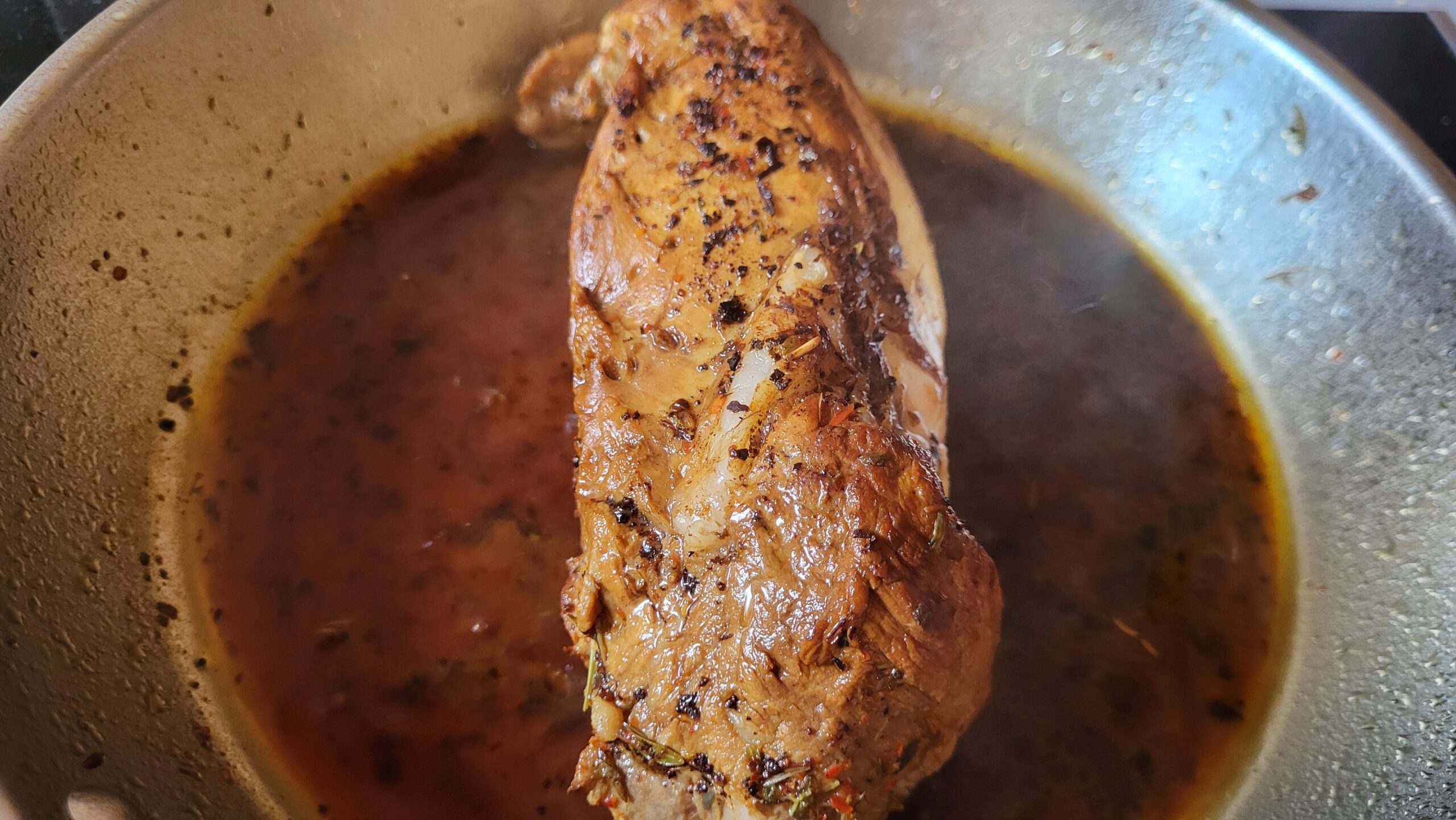
Heat a tablespoon of extra virgin olive oil in a wide skillet over medium-high heat. Lay the seasoned tenderloin into the pan. Sear and cook for 30 to 40 minutes in total, rotating the meat regularly to ensure even cooking, a gorgeous outer crust, and a perfectly tender, juicy interior.
Keep an eye on your flame. Because of the long cooking time, ensure the heat isn't too high so your delicate anti-inflammatory spices (especially the red pepper and turmeric) do not burn.
-
Prep the Ribbon Salad
While the pork is searing, use a vegetable peeler or a sharp knife to slice the cucumber and fresh carrots into long, beautiful, restaurant-style ribbons. Wash and chop your lettuce. Toss the vegetables together in a large bowl and dress lightly with a thread of extra virgin olive oil and a squeeze of raw lemon juice.
-
Serve
Once the pork tenderloin is cooked, remove it from the skillet and transfer it to a cutting board. Let the meat rest undisturbed for 5 full minutes before slicing. This allows the volatile cellular juices to redistribute throughout the meat, keeping it moist.
Slicing too early will cause all the juices to escape onto the board. Slice the tenderloin into medallions (about 1.5–2 cm thick).
To serve, arrange a warm bed of fluffy quinoa as the base of the plate, flank it with the vibrant ribbon salad, and fan the spiced pork medallions beautifully over the top. If desired, lightly drizzle the remaining golden spice-infused oil from the skillet over the pork.
Serve warm and enjoy your metabolic powerhouse meal!