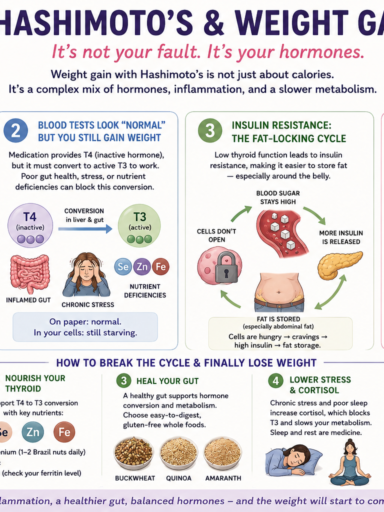
Autoimmune diseases are becoming an increasingly common health challenge in modern society. Hashimoto’s, rheumatoid arthritis, lupus, psoriasis, multiple sclerosis, and inflammatory bowel disease are just a few examples of conditions where the immune system mistakenly attacks the body’s own cells and tissues. Alongside standard medical therapy, many patients look for complementary, natural ways to reduce symptoms and improve their quality of life. One approach that has gained significant attention in recent years is the AIP (Autoimmune Protocol) diet.
What is the AIP Diet?
The AIP diet is a specialized form of an elimination diet, developed as an extension of the Paleo diet. Its primary goals are to:
- Reduce systemic inflammation in the body,
- Restore the gut barrier (which often becomes “leaky” in autoimmune conditions),
- Identify specific foods that trigger an immune response.
Unlike conventional restrictive diets, there is no universal “banned forever” list. AIP is implemented in distinct phases, allowing each individual to discover their personal triggers and create a highly customized long-term nutrition plan.
The Phases of the AIP Diet
Phase 1: The Elimination Phase
- Duration: Minimum of 30 days, often extending to 6–8 weeks.
- Goal: To remove all potentially inflammatory, irritating, and immune-stimulating foods to allow the body to heal.
| ❌ Foods to Avoid | Foods to Enjoy |
| Grains & Pseudograins: Wheat, rye, barley, rice, corn, oats. | High-Quality Meat & Seafood: Beef, poultry, pork, wild-caught fish, shellfish. |
| Legumes: Beans, soy, peas, chickpeas, peanuts. | Vegetables: All vegetables except nightshades (cruciferous, root veggies, greens). |
| Dairy & Eggs: All milk products, butter, cheese, whole eggs. | Fats & Oils: Olive oil, coconut oil, avocado, avocado oil. |
| Nightshades (Solanaceae): Potatoes, tomatoes, peppers, eggplants, and nightshade-derived spices (paprika, cayenne). | Fermented Foods: Sauerkraut, kimchi (made without pepper), coconut kefir. |
| Nuts & Seeds: Almonds, walnuts, sunflower seeds, chia seeds, and seed-based spices. | Herbs & Spices: Ginger, turmeric, garlic, basil, cilantro, rosemary, parsley. |
| Processed Foods: Refined sugar, alcohol, coffee, industrial additives, and preservatives. | Healing Liquids: Bone broths, herbal teas. |
Phase 2: The Reintroduction Phase
- Duration: Highly individual—can span over several months.
- Goal: To gradually reincorporate foods while closely monitoring the body’s response.
Foods are reintroduced one at a time, every 3 to 7 days, starting with very small portions. If any symptoms re-emerge (such as fatigue, joint pain, rashes, or digestive issues), that specific food is removed again. The reintroduction sequence typically progresses from “low-risk” foods (e.g., egg yolks, fruit-based spices, seeds) to “potentially higher-risk” foods (e.g., dairy, gluten, soy).
Phase 3: The Maintenance Phase
Once an individual discovers which foods they tolerate well and which trigger symptoms, a customized, lifelong nutrition plan is established. This phase has no expiration date; the objective is to maintain a sustainable, nutrient-dense diet tailored entirely to the unique needs of one’s body.
For Which Conditions is the AIP Diet Recommended?
While AIP is not an official medical cure, it serves as excellent foundational support for various autoimmune conditions, most notably:
- Hashimoto’s thyroiditis and Graves’ disease,
- Rheumatoid arthritis (RA),
- Psoriasis, eczema, and vitiligo,
- Systemic lupus erythematosus (SLE) and Multiple sclerosis (MS),
- Inflammatory bowel diseases (Crohn’s disease and Ulcerative colitis),
- Celiac disease,
- Type 1 diabetes.
Clinical studies and patient experiences demonstrate that the AIP protocol can significantly lower inflammatory markers, enhance digestion, decrease pain and fatigue, and drastically improve overall well-being.
Conclusion
The AIP diet requires discipline and patience, as the initial elimination phase is quite restrictive. However, for many individuals, it proves to be an invaluable tool for reducing symptoms and gaining better control over autoimmune conditions.
The most important takeaway is that AIP should be approached gradually—ideally under the guidance of a professional (a dietitian or physician)—and viewed not as a temporary “crash diet,” but as a profound journey of getting to know your own body and establishing a lifelong way of eating that truly supports your health.