A very common and confusing laboratory pattern looks like this:
serum iron is normal or even elevated, while ferritin is low or at the lower end of the normal range.
Many people then take iron supplements for months or even years — without seeing a significant increase in ferritin levels.
The reason is often not an iron deficiency itself, but rather a problem with iron metabolism and storage.
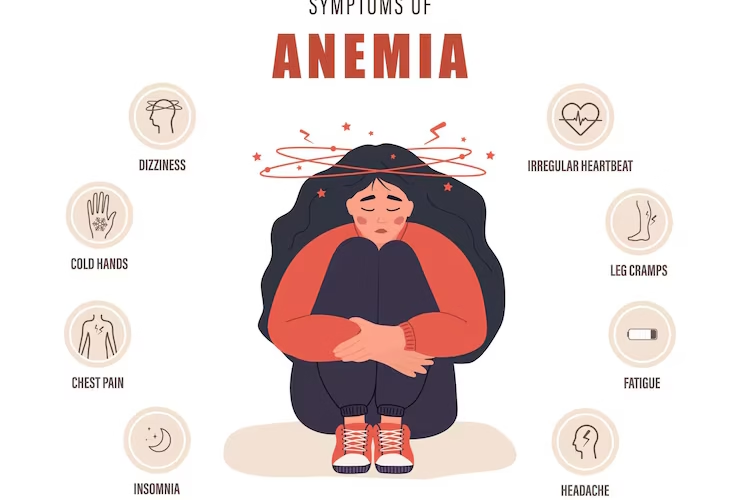
This is why someone may appear to have “enough iron,” yet still experience symptoms such as fatigue, weakness, heart palpitations, hair loss, or poor concentration.
What Is Serum Iron and What Is Ferritin?
Serum Iron
- Represents the amount of iron currently circulating in the bloodstream
- Can fluctuate from day to day
- Easily increases after supplementation
- Does not reflect the body’s actual iron reserves
Ferritin
- Represents the storage form of iron
- Reflects real iron reserves in the liver, spleen, and bone marrow
- Low ferritin means the body has difficulty “storing” iron, even when enough iron is present in the blood
A Key and often overlooked Cause – Low Copper and Ceruloplasmin
One of the most common yet underrecognized causes of poor iron metabolism is copper deficiency and/or low ceruloplasmin levels.
Copper is essential for:
- proper iron binding
- iron transport
- converting iron into a form the body can use
- ferritin formation
Ceruloplasmin is a copper-dependent protein that enables:
- movement of iron from tissues into the bloodstream
- proper distribution of iron throughout the body
When copper or ceruloplasmin levels are low, iron:
- remains “trapped” in the serum
- does not efficiently enter cells
- is not stored as ferritin
The result: high or normal serum iron + low ferritin.
Why can Copper Supplementation be Risky?
Unlike iron, copper has a very narrow therapeutic range. Excessive supplementation may lead to:
- oxidative stress
- liver burden
- imbalance with zinc
- neurological symptoms
For this reason, copper supplementation is generally not recommended without clear indications and laboratory monitoring.
A much safer and more natural approach is:
Increasing Copper Through Diet
Foods Naturally Rich in Copper
Below is a list of foods that naturally contain copper and may help support healthier iron metabolism:
Seeds and Nuts
- sesame seeds
- tahini (sesame paste)
- sunflower seeds
- pumpkin seeds
- cashews
- hazelnuts
- almonds
Cocoa and Cocoa Products
- pure cocoa powder
- dark chocolate with a high cocoa content (70%+)
Legumes
- lentils
- chickpeas
- beans (especially white and black beans)
Gluten-Free Whole Grains
- buckwheat
- quinoa
- amaranth
Vegetables
- mushrooms
- Swiss chard
- spinach
- kale
Animal Sources
- liver (especially beef or chicken liver — in moderation)
- seafood (if consumed)
If ferritin remains low despite iron supplementation, the issue is often not the amount of iron itself, but how effectively the body uses and stores it.
Low copper and ceruloplasmin levels can significantly impair proper iron storage and keep ferritin levels low.
That is why it is important to:
- look at the broader picture of laboratory findings
- avoid blindly increasing iron doses
- pay attention to micronutrients involved in iron metabolism
- prioritize a copper-rich diet over potentially risky supplementation