Low iron stores (ferritin) and vitamin D3 deficiency in people with celiac disease or non-celiac gluten sensitivity (NCGS) are not random findings. They are a direct consequence of mechanisms that damage the digestive tract.
1. The Mechanism of Malabsorption
In individuals with gluten-related disorders such as celiac disease, consuming gluten triggers an immune response that damages the intestinal villi in the small intestine. Since iron and vitamin D are primarily absorbed in the upper sections of the small intestine, their absorption becomes physically impaired, regardless of how much is consumed through food or supplements.
2. Low Ferritin (Iron)
Low ferritin is often the first and sometimes the only clinical sign of silent gluten sensitivity.
Damage to the intestinal lining:
Even in the absence of severe symptoms such as pain, microscopic damage may prevent iron from entering the bloodstream.
Chronic inflammation:
Inflammatory processes can increase levels of hepcidin, a hormone that blocks the release of stored iron, causing ferritin levels to remain low.
3. Vitamin D3 Deficiency
Vitamin D is fat-soluble, and its absorption depends directly on the health of the small intestine.
Steatorrhea (poor fat absorption):
Damaged intestines cannot process fats efficiently. Since vitamin D “travels” with fats, it may be excreted instead of absorbed.
Synergy with calcium:
Vitamin D deficiency further worsens calcium absorption, which over time may contribute to reduced bone density in people sensitive to gluten.
If supplementation with iron and vitamin D3 does not produce results after 3–6 months, testing for gluten-related antibodies or performing a small intestine biopsy should be considered. Without removing the source of inflammation (gluten), the intestinal wall may remain effectively “closed” to these key nutrients.
Strategy for Increasing Ferritin (Iron)
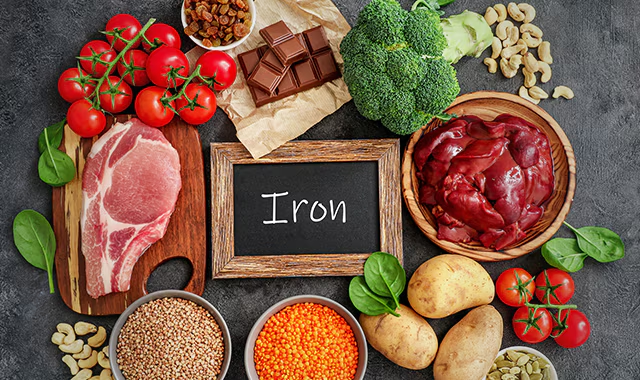
Iron in food exists in two forms: heme iron (animal-based, highly absorbable) and non-heme iron (plant-based, lower absorption).
What to Eat:
Red meat and organ meats:
Veal or beef liver are among the richest sources of iron. Consuming them once a week may significantly support ferritin levels.
Seafood:
Shellfish and mussels are extremely rich in iron.
Dark leafy greens:
Spinach, Swiss chard, and nettle (although they contain non-heme iron, they can still be helpful when prepared properly).
Tips for Maximizing Absorption:
Vitamin C is essential:
Iron is not absorbed efficiently without vitamin C. Add lemon juice, peppers, or sauerkraut salad to meals containing meat or vegetables.
Avoid absorption blockers:
Coffee and tea contain tannins that can bind iron and reduce its absorption. Drink coffee or tea at least one hour before or after meals.
Separate dairy products:
Calcium competes with iron for the same absorption pathways. Avoid combining cheese or yogurt with meals that are your main iron source.
Strategy for Increasing Vitamin D3
Because vitamin D3 is fat-soluble, it is not efficiently absorbed in “empty” intestines.
What to Eat:
Fatty fish:
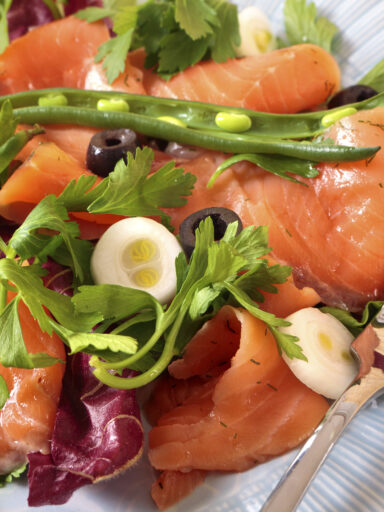
Wild salmon, sardines, and mackerel naturally contain both vitamin D3 and healthy fats needed for its metabolism.
Egg yolks:
Use whole eggs because vitamin D is found primarily in the fatty yolk.
Cod liver oil:
A traditional and well-known remedy that is one of the richest natural sources of vitamin D3 and vitamin A.
Tips for Maximizing Absorption:
Magnesium is a key factor:
Vitamin D cannot be converted into its active form without adequate magnesium levels. Include pumpkin seeds, almonds, and dark chocolate (high cocoa content, gluten-free) in your diet.
Take vitamin D with fat:
If using a vitamin D3 supplement, take it with the fattiest meal of the day (for example, eggs, olive oil, or avocado).