Candida albicans is a species of yeast (fungus) that naturally resides within the human body, most commonly in the intestines, on the skin, and across various mucous membranes. Under normal circumstances, it coexists harmoniously with other microorganisms and causes no health issues.
However, when this delicate microbial balance is disrupted—due to a compromised immune system, chronic stress, antibiotic overuse, a diet high in sugar, or other lifestyle factors—Candida can multiply rapidly. This opportunistic overgrowth leads to a condition known as candidiasis.
Symptoms of Candida Overgrowth
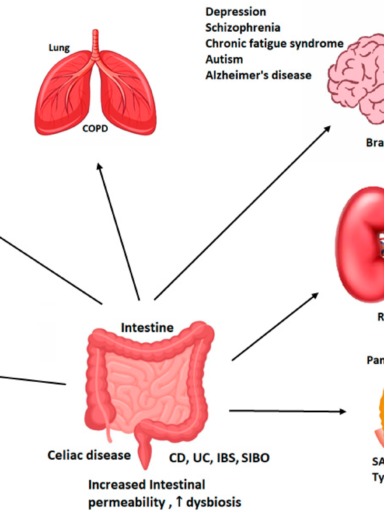
The systemic impact of Candida can manifest in a wide range of uncomfortable and seemingly unrelated symptoms:
- Digestive Issues: Severe bloating, chronic gas, alternating diarrhea or constipation, abdominal cramps, and Irritable Bowel Syndrome (IBS).
- Skin Flare-ups: Unexplained rashes, localized itching, and recurring fungal skin or nail infections.
- Genital Infections: Vaginal itching, burning sensations, and unusual discharge.
- Fatigue & Low Energy: Chronic exhaustion, persistent “brain fog,” and difficulty maintaining concentration.
- Mood Fluctuations: Heightened anxiety, depressive moods, and uncharacteristic irritability.
- Recurrent Infections: Frequent urinary tract infections (UTIs) and chronic sinus congestion.
Why Diet is the Ultimate Weapon Against Candida
Diet plays a central role in controlling the proliferation of this yeast. Candida relies almost exclusively on dietary sugars and simple carbohydrates to fuel its rapid replication and build its protective biofilm. Consuming these foods directly feeds the overgrowth.
Conversely, through targeted nutrition, we can effectively “starve” Candida, drastically reducing its population and allowing the body to naturally restore its microbiome. The ultimate goal of an anti-candida diet is twofold: eliminate the fuel sources that cause the fungus to thrive, and incorporate nutrient-dense foods that repair the gut lining and boost host immunity.
Core Dietary Principles of the Anti-Candida Protocol
1. Eliminate All Forms of Sugar
This is the single most critical step. You must completely avoid all sugars—including white sugar, brown sugar, high-fructose corn syrup, honey, maple syrup, and agave nectar. Even artificial sweeteners should be avoided as they can negatively alter gut microbiota. Always read ingredient labels meticulously, as hidden sugars are routinely added to processed savory foods.
2. Eliminate Simple Carbohydrates
Avoid white bread, conventional pasta, pastries, white rice, corn, and any products manufactured from refined white flour. These high-glycemic carbohydrates are rapidly broken down into glucose upon ingestion, providing an immediate food source for the yeast.
3. Avoid Yeast and Mold-Containing Foods
Yeasty foods can trigger cross-reactivity and further complicate your recovery. Strictly avoid leavened breads, commercially baked goods, beer, and aged or mold-ripened cheeses.
4. Restrict Conventional Dairy
Standard dairy products—especially those high in lactose (milk sugar)—can fuel the fungal overgrowth. While unsweetened, traditionally fermented dairy like homemade kefir or natural yogurt contains beneficial probiotics, they should be introduced gradually into your routine while closely monitoring your digestive response.
5. Cut Out Alcohol
Alcoholic beverages are a double hit: they are inherently high in sugars and are produced through fermentation with yeast, making them highly detrimental when trying to clear a Candida infection.
6. Flood Your Body with Non-Starchy Vegetables
Focus heavily on cruciferous and green leafy vegetables, such as broccoli, cauliflower, cabbage, spinach, and kale. They are packed with essential vitamins and prebiotic fibers that selectively feed your beneficial gut bacteria.
7. Prioritize Clean Proteins and Healthy Fats
Opt for lean meats, wild-caught fish, eggs, avocado, and extra virgin olive oil. Select nuts (like almonds and walnuts) and seeds (like flax and sunflower) are excellent choices but should be consumed in moderation.
8. Leverage Natural Antifungals and Spices
Incorporate functional whole foods and spices into your daily cooking. Garlic (containing allicin), oregano, rosemary, and turmeric possess powerful, clinically proven antifungal and anti-inflammatory properties.
9. Maximize Hydration
Drinking optimal amounts of filtered water is essential, particularly to help your liver and kidneys flush out metabolic waste during the detox process.
Conclusion
Overcoming a deeply rooted Candida overgrowth requires strict consistency, discipline, and above all, patience. Because the recovery timeline varies significantly from person to person, consulting a physician or a specialized nutritionist is highly recommended to ensure you receive personalized guidance throughout the process.
By implementing these strategic dietary shifts and supporting your lifestyle, you can fundamentally reverse the symptoms of candidiasis and guide your body back to a state of vibrant, lasting health.
Looking for practical, delicious inspiration? Explore our extensive collection of fully compliant, yeast-starving recipes right here on our website!