Autoimmune conditions represent a profound disruption in the immune system, causing it to mistakenly attack the body’s own tissues as if they were foreign threats. In Type 1 diabetes, the immune system targets the beta cells of the pancreas; in Hashimoto’s thyroiditis, it attacks the thyroid gland; and in cases of chronic Candida overgrowth, an impaired immune response allows yeast to proliferate out of control.
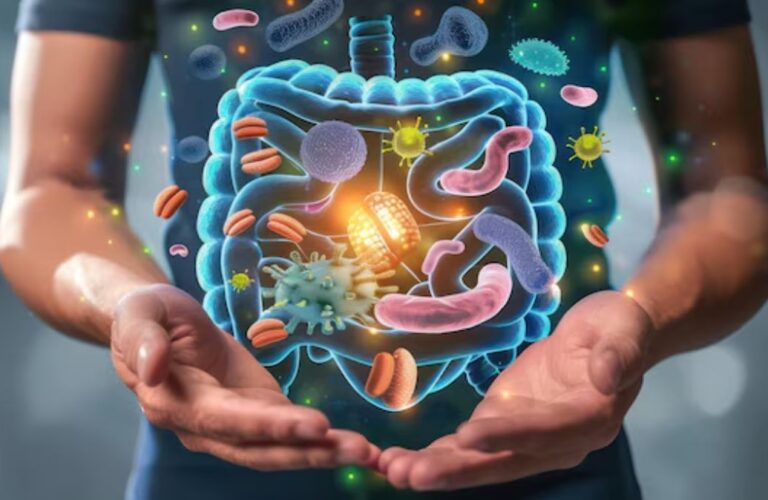
What many do not realize is that the health of the stomach and the intestines plays a foundational role in both triggering and exacerbating these systemic conditions.
1. The Gut: The Epicenter of the Immune System
Over 70% of the body’s immune cells reside directly within the gut lining. When the digestive system is balanced, it serves as a robust shield against pathogens, tightly regulates inflammatory pathways, and maintains barrier integrity.
However, when this barrier is compromised, it leads to “Leaky Gut Syndrome” (increased intestinal permeability). Toxins, undigested food particles, and microbial byproducts slip into the bloodstream, creating systemic chaos. In autoimmune diseases, this breach is often the primary trigger—the immune system is forced into a state of chronic activation, mistakenly attacking healthy tissues due to molecular mimicry.
2. A Healthy Stomach: The Gatekeeper of Digestion and Immunity
For food to be properly broken down and for incoming pathogens to be destroyed, the stomach must maintain a highly acidic environment through sufficient production of hydrochloric acid (HCl).
Paradoxically, many individuals with autoimmune and metabolic conditions suffer from low stomach acid (hypochlorhydria). This leads to poorly digested food, fermentation, bloating, and poor absorption of critical micronutrients—such as iron, zinc, vitamin B12, and magnesium—all of which are vital for hormonal balance and immune function.
Signs Your Stomach Acid May Be Low:
- Bloating and severe gas shortly after eating
- Frequent burping or a feeling of “heavy food” sitting in the stomach for hours
- Acid reflux and heartburn (which, contrary to popular belief, is frequently caused by insufficient stomach acid failing to signal the lower esophageal sphincter to close properly)
- Nausea after taking vitamins or supplements
3. Dysbiosis and Candida: Enemies of Microbial Balance
When the delicate balance of the gut microbiota is disrupted (dysbiosis), opportunistic pathogens, bad bacteria, and fungi begin to thrive—with Candida albicans being the most common culprit. Candida overgrowth further irritates the intestinal mucosa, drives localized inflammation, compromises blood sugar regulation, and fuels the systemic inflammation that worsens symptoms in Hashimoto’s, diabetes, and insulin resistance.
4. The Link to Insulin Resistance and Diabetes
Impaired digestion and chronic gut inflammation directly impact metabolic health through several pathways:
- Low-Grade Systemic Inflammation: Lipopolysaccharides (LPS) leaking from the gut drive insulin receptor desensitization, paving the way for insulin resistance.
- Disrupted Metabolic Signaling: An unbalanced microbiome negatively alters the secretion of key gut hormones (such as GLP-1, leptin, and ghrelin) that regulate satiety, appetite, and glucose metabolism.
- Visceral Fat Accumulation: Chronic gut inflammation often translates to increased weight gain around the abdomen, which further complicates metabolic dysfunction.
5. Practical Steps to Heal Your Digestion and Support Your Gut
To break this cycle and allow your body to heal, you can implement a structured clinical gut-healing protocol:
- Remove Inflammatory Triggers: Completely eliminate gluten, refined sugars, ultra-processed foods, and industrial seed oils from your diet.
- Adopt an Anti-Inflammatory Diet: Focus on whole foods, thoroughly cooked vegetables, clean proteins, healthy fats, and targeted fermented foods (like homemade kefir or sauerkraut) if tolerated.
- Support Stomach Acid and Enzymes: Utilize natural digestive bitter herbs, cumin, ginger, or apple cider vinegar before meals to stimulate HCl production and optimize enzyme activity.
- Rebuild the Microbiome: Introduce high-quality, multi-strain probiotics alongside prebiotic fibers (like inulin and vegetable fibers) to crowd out pathogenic yeast.
- Proactively Manage Stress: Chronic stress and elevated cortisol levels directly suppress stomach acid production and impair GI motility. Incorporate daily nervous system regulation (breathwork, walking, yoga).
- Address Candida Strategically: Combat yeast overgrowth gradually. A gentle, controlled anti-candida protocol supported by liver detoxification is far more effective than aggressive, crash cleanses that cause severe die-off.
Conclusion
Healing your stomach and intestines is not just about relieving temporary digestive discomfort; it is the absolute prerequisite for restoring balance to your entire body. When the digestive system regenerates, the cascade of systemic autoimmune symptoms begins to clear—fatigue decreases, thyroid antibodies can stabilize, blood sugar regulation improves, and chronic yeast infections finally resolve.