In modern medicine and nutrition, N-acetylcysteine (NAC) holds a special place. It is not just another antioxidant in a long list; it is a crucial substrate for the synthesis of glutathione, the “mother of all antioxidants.” As chronic conditions like Hashimoto’s thyroiditis and liver dysfunction are increasingly linked to oxidative stress, understanding the role of NAC has become essential.
1. What exactly is NAC and how does it work?
NAC is a derivative of the amino acid L-cysteine. Its primary function is to provide the body with the building blocks for glutathione ($GSH$) production. Glutathione is a tripeptide that directly neutralizes free radicals and regenerates other antioxidants, such as vitamins C and E.
Without adequate NAC levels, cells become vulnerable to lipid peroxidation—a process that damages cell membranes and DNA, leading to accelerated aging and the development of disease.
2. Hashimoto’s and the Thyroid – The Fight Against Antibodies
In patients with Hashimoto’s thyroiditis, the immune system attacks the thyroid tissue, creating high levels of inflammation and oxidative stress within the gland itself.
- Reducing Oxidative Burden: Studies indicate that NAC can reduce levels of hydrogen peroxide ($H_2O_2$), a byproduct of thyroid hormone synthesis that, in excess, triggers an autoimmune response.
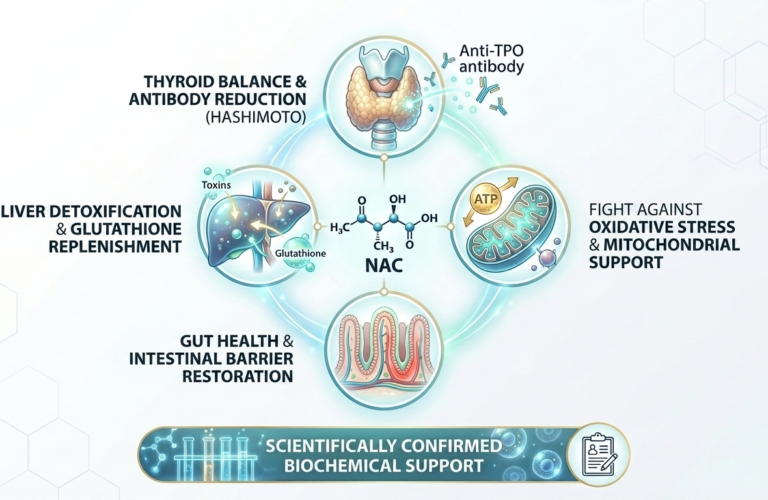
- Impact on Antibodies: Research (e.g., Journal of Endocrinology and Metabolism) suggests that NAC supplementation may contribute to lowering anti-TPO and anti-TG antibody titers. The mechanism lies in modulating the immune response and reducing the “cytokine storm” that sustains chronic inflammation.
3. The Liver – The main detoxification center
The liver is the organ that bears the heaviest burden of toxins from food and the environment. NAC has been the “gold standard” in medicine for decades for treating acetaminophen (paracetamol) poisoning because it rapidly replenishes glutathione stores in the liver.
- Fatty Liver (NAFLD): Clinical studies show that regular NAC use can reduce liver enzyme levels (ALT and AST) in individuals with non-alcoholic fatty liver disease, improving overall metabolic function.
- Heavy Metal Elimination: NAC acts as a chelator, helping the body rid itself of mercury, lead, and cadmium, which often accumulate in tissues and interfere with the endocrine system.
4. Oxidative Stress and Chronic Inflammation
Low-grade chronic inflammation is the silent killer of the modern age. NAC acts at the very source of inflammation by inhibiting NF-kappaB, a protein complex that controls DNA transcription and the production of pro-inflammatory cytokines.
- Mitochondrial Support: By preserving mitochondrial integrity, NAC helps maintain energy levels, which is critical for patients suffering from chronic fatigue associated with autoimmune diseases.
5. Gut Health and the battle against Biofilm
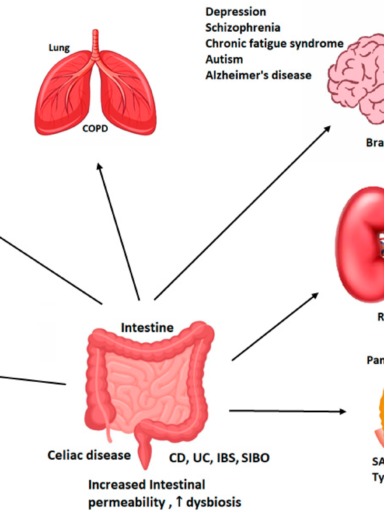
A new frontier in NAC research focuses on the digestive tract. Gut health is directly linked to autoimmunity (the so-called “gut-thyroid axis”).
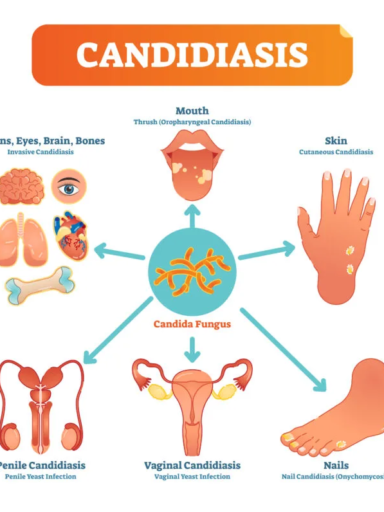
- Mucolytic Action and Biofilm: Just as it breaks down mucus in the lungs, NAC can help disrupt pathogenic biofilms (e.g., Candida albicans or H. pylori). These biofilms protect pathogens from the immune system and antibiotics.
- Leaky Gut: By reducing oxidative stress in the intestinal epithelium, NAC helps preserve the “tight junctions” between cells, preventing toxins from leaking into the bloodstream.
Scientific Confirmation and Reference Framework
Numerous studies support these claims:
- Glutathione Study: Research published in the journal Nutrients confirms that NAC effectively raises plasma GSH levels in humans with chronic diseases.
- Liver Meta-analyses: Studies published in the European Journal of Gastroenterology & Hepatology confirm the reduction of inflammatory markers in the liver with NAC application.
- Hormonal Balance: Research on autoimmune models shows that reducing oxidative stress directly correlates with more stable thyroid function.
Closing Thoughts
NAC is not just a “vitamin”; it is a powerful tool in a recovery protocol. Its ability to target the liver, gut, and thyroid simultaneously makes it a unique ally in the fight against chronic and autoimmune challenges.
Important Reminder: Although NAC is safe for most people, individual consultation with a healthcare professional is always advised, especially for those with specific gastric issues (like ulcers) or those on specific medication therapies.