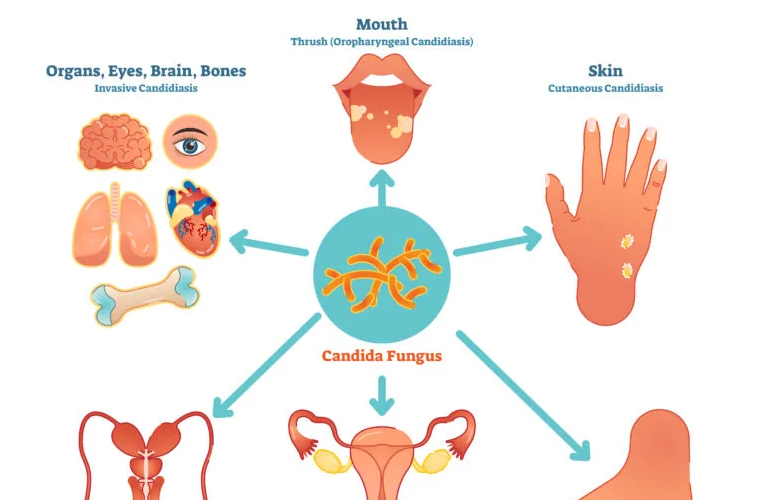
Candida (Candida albicans) is a natural part of our gut flora. However, when it begins to overgrow — a condition known as candidiasis or SIFO (Small Intestinal Fungal Overgrowth) — it stops being a “good neighbor.” Symptoms such as bloating, chronic fatigue, digestive issues, skin rashes, and even anxiety can become part of daily life.
Many people notice that symptoms return as soon as they stop restrictive eating. One of the main reasons is biofilm — a protective layer that makes Candida resistant to medications and our immune system. The solution? A systematic three-phase approach that combines nutrition, probiotics, and natural biofilm disruptors.
Important: This article is for educational purposes only and does not replace medical advice. Consult your doctor before making any major dietary or health changes, especially if you have chronic health conditions.
Why Does the Anti-Candida Diet Work?
Candida thrives on sugars and refined carbohydrates, which it needs for growth and biofilm formation.
The power of diet: A 2018 study published in the Journal of Digestive Diseases found that patients who followed a low-sugar diet alongside nystatin therapy had an 85% recovery rate, compared to only 42.5% in those who used medication alone.
Coconut oil as an ally: Research published in mSphere (2015) showed that coconut oil significantly reduced Candida levels in the gut thanks to caprylic acid, which directly damages the fungal cell membrane.
Phase 1: Total Detox (2–4 Weeks)
Goal:
Starve the fungus and reduce inflammation.
This is the strictest phase, focused on eliminating Candida’s “fuel.”
What Should Be Completely Eliminated?
- All sugars and sweeteners: White sugar, honey, maple syrup, agave, fruit juices, dried fruit, and sweets.
- Refined carbohydrates: Bread, pasta, rice, wheat, corn, and starchy vegetables (potatoes).
- Fruit: Only lemon and lime are allowed in small amounts.
- Yeast and fermented products: Alcohol, vinegar (except apple cider vinegar), mushrooms, and mold-ripened cheeses.
- Dairy products: Everything except ghee butter.
- Gluten: Wheat, barley, and rye (due to their potential to irritate the gut).
What Can You Eat Freely?
- Non-starchy vegetables: Broccoli, cauliflower, kale, spinach, zucchini, garlic, onions, asparagus.
- High-quality proteins: Organic chicken, turkey, eggs, and wild-caught fish (salmon, sardines, mackerel).
- Healthy fats: Olive oil, avocado, and coconut oil (recommended: 2–3 tablespoons daily).
- Antifungal spices: Oregano, cinnamon, turmeric, and ginger.
Phase 2: Restoring Gut Flora (4–8 Weeks)
Goal:
Gradually reintroduce beneficial foods and strengthen healthy bacteria.
Once you notice increased energy and reduced bloating, it’s time to expand your menu.
Foods to Introduce Slowly
- Fermented foods: Gradually introduce homemade kefir (coconut or goat milk), sauerkraut, and kimchi. Start with one tablespoon daily to avoid a strong die-off response (Herxheimer reaction).
- Low-sugar fruits: A handful of blueberries, raspberries, or one green apple per day.
- Gluten-free grains: Quinoa, buckwheat, or millet (one serving daily).
- Probiotics: Supplementation with strains such as Lactobacillus reuteri and Saccharomyces boulardii may help suppress biofilm growth.
Phase 3: Maintenance and Testing (After Week 12)
Goal:
Return to a more varied diet while maintaining control.
At this stage, you test your tolerance. Do not immediately return to bread, pasta, sugar, and large amounts of fruit. Reintroduce one previously restricted food at a time (for example, sweet potato or carrots) every 3–5 days. If symptoms do not return, the food is likely well tolerated.
The long-term goal is the 80/20 rule — where 80% of your diet is based on whole, low-sugar foods.
Why Does Candida Keep Coming Back? The Secret Is Biofilm
Even with a perfect diet, Candida can survive inside a biofilm — a complex structure that protects it like a shield. Research suggests that biofilms can make fungi up to 1000 times more resistant to treatments.
How to Break Down Biofilm
- Natural extracts: Curcumin, wild oregano oil (thymol), cloves (eugenol), and berberine have been scientifically recognized as effective biofilm disruptors.
- Enzyme support: Supplements containing cellulase and beta-glucanase can literally help dissolve biofilm walls.
- Synergy: The combination of coconut oil and the probiotic S. boulardii has shown particularly strong potential in supporting gut cleansing.
The Recipe for Long-Term Success
To keep Candida under control, adopt these habits:
- Sleep and stress management: High cortisol raises blood sugar levels, which directly feeds Candida. Prioritize quality sleep.
- Be cautious with antibiotics: Use them only when truly necessary, always alongside a strong probiotic.
- Movement: Physical activity improves lymphatic drainage and helps the body eliminate toxins.
Conclusion
This diet is not a punishment — it is a tool to help “reset” the body. The first three weeks are usually the hardest, but the rewards — clearer thinking, improved digestion, and better overall well-being — can be invaluable.
At the link below, you can find some of our recipes that may help you stay on track while still enjoying nutritious meals: