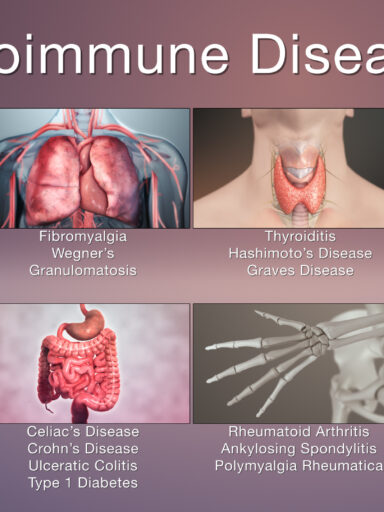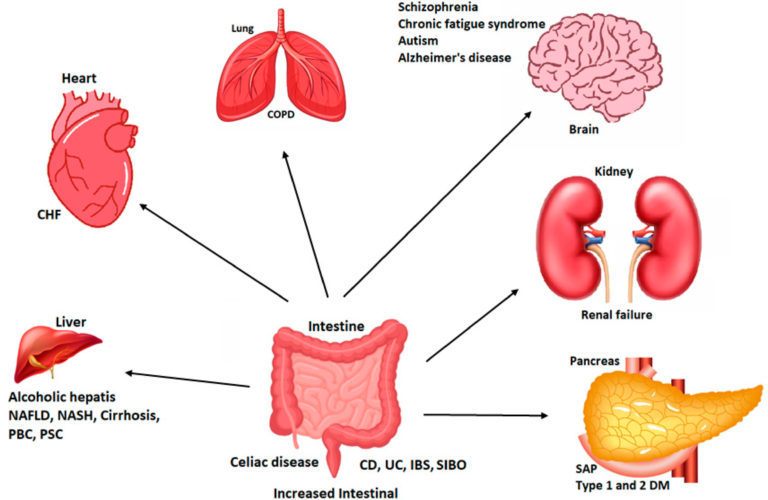
Autoimmune diseases—such as Hashimoto’s thyroiditis, rheumatoid arthritis, systemic lupus erythematosus (SLE), celiac disease, and type 1 diabetes—are becoming increasingly prevalent worldwide. While genetics, environmental triggers, and immune system dysregulation all play a role in their development, a growing body of scientific evidence suggests that increased intestinal permeability, commonly known as “Leaky Gut Syndrome,” may be a crucial driver in initiating and exacerbating these conditions.
What is Leaky Gut Syndrome?
The intestinal lining is a highly sophisticated, semi-permeable barrier. Its job is to allow the absorption of vital nutrients into the bloodstream while simultaneously blocking toxins, pathogenic bacteria, and undigested food particles.
In leaky gut syndrome, the specialized proteins that hold the gut cells together (known as tight junctions) become compromised. As these junctions loosen, the intestinal wall becomes abnormally permeable, allowing substances to slip into the bloodstream that should otherwise be tightly barred.
This breach triggers a state of chronic, systemic inflammation and forces the immune system into overdrive. Over time, the immune system can become confused, launching an attack not just against the foreign invaders, but against the body’s own healthy tissues—directly leading to autoimmunity.
How a Leaky Gut Drives Autoimmunity
1. The Onset of Systemic Immune Attacks
When undigested food molecules or microbial byproducts cross the damaged gut barrier, the immune system flags them as dangerous foreign invaders and mounts an defense response. In genetically predisposed individuals, this constant battle can cause the immune response to become misdirected, leading it to attack healthy cells.
2. Molecular Mimicry
Certain foreign proteins that enter through a leaky gut (such as gluten fragments or bacterial cellular walls) structurally resemble the body’s own tissue proteins. In its attempt to clear out the invader, the immune system mistakenly targets the body’s own organs. A classic example is Celiac disease, where gluten triggers an immune response that damages the small intestine but can also impact the nervous and endocrine systems.
3. Chronic Immune Overload
A continuously permeable gut lining means the body is endlessly exposed to low-grade irritants. This keeps the immune system in a perpetual state of high alert, creating the systemic, low-grade inflammation that forms the baseline of almost all chronic illnesses.
Common Triggers of Intestinal Permeability
| Dietary & Lifestyle Factors | Clinical & Biological Factors |
| Inflammatory Diet: High consumption of refined sugars, ultra-processed foods, and gluten (in sensitive individuals). | Medications: Overuse of broad-spectrum antibiotics and NSAIDs (such as ibuprofen and aspirin). |
| Chronic Stress: High cortisol levels physically weaken the gut lining. | Gut Dysbiosis: An imbalance in the microflora (e.g., Candida overgrowth or H. pylori infections). |
| Excessive Alcohol Consumption | Chronic Gastrointestinal Infections |
How to Repair the Gut Lining and Calm the Immune System
1. Implement a Targeted Anti-Inflammatory Diet
Shift your focus toward whole, nutrient-dense foods: cooked vegetables, healthy fats (extra virgin olive oil, avocado, omega-3s), and traditional fermented foods (kefir, sauerkraut). Strictly avoid refined sugars, industrial seed oils, and processed foods. For those dealing with active autoimmunity, temporary protocols like the AIP diet or removing gluten and conventional dairy can dramatically accelerate healing.
2. Support the Microbiome
Incorporate high-quality, targeted probiotics and prebiotic fibers to crowd out pathogens and help rebuild a robust, diverse community of beneficial bacteria.
3. Utilize Gut-Healing Supplements
Several key compounds have been shown to directly repair tight junctions and reduce mucosal inflammation:
- L-Glutamine: The primary fuel source for cells lining the small intestine, essential for barrier repair.
- Zinc Carnosine: Exceptionally effective at stabilizing the gut mucosa.
- Vitamin D3 & Omega-3 Fatty Acids: Crucial for modulating the immune response and lowering inflammation.
- Curcumin: A potent natural anti-inflammatory agent.
4. Manage Stress Proactively
Because the brain and the gut are deeply connected via the gut-brain axis, psychological stress rapidly increases gut permeability. Incorporating daily mindfulness, yoga, breathwork, or simple walks in nature can physically help seal the gut.
Conclusion
Although “Leaky Gut Syndrome” is often viewed as a functional concept rather than a standalone clinical diagnosis in conventional medicine, its profound link to autoimmunity is undeniable in modern immunology. Addressing and repairing the integrity of the intestinal barrier is a foundational step that can alleviate chronic symptoms, reduce antibody counts, and fundamentally slow the progression of autoimmune conditions.
Caring for your gut health isn’t an alternative therapy—it is the very foundation of systemic wellness.