The Trap of Commercial Gluten-Free Products
When a person discovers that they are sensitive to gluten or have celiac disease, the first stop on the road to recovery is often the aisle filled with commercial gluten-free products. Breads, pasta, cookies, and ready-made mixes with the familiar crossed-out wheat symbol may seem like the perfect solution.
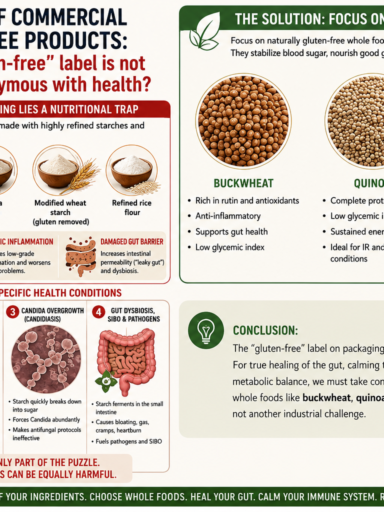
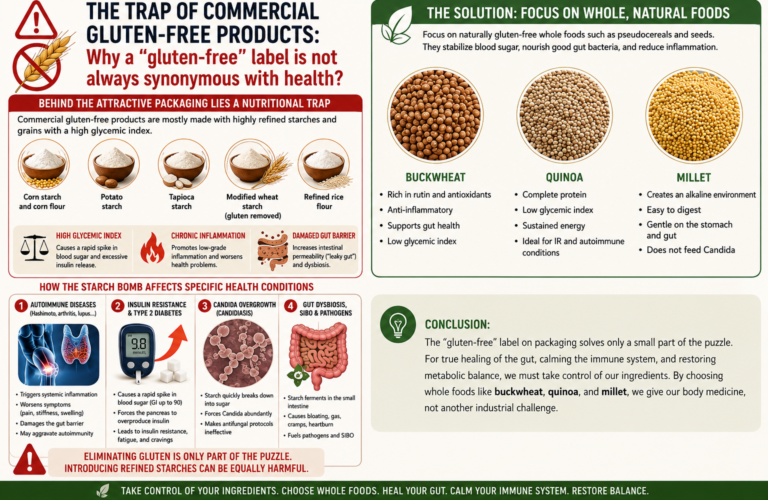
However, behind the attractive packaging there is often a serious nutritional trap. Most ready-made gluten-free products rely primarily on highly refined starches and high-glycemic-index grains in order to imitate the texture and softness of traditional wheat bread.
The ingredients most commonly found in industrial gluten-free products include:
- Corn starch and corn flour
- Potato starch
- Tapioca starch
- Modified wheat starch (with gluten removed, but the starch base remaining)
- Refined rice flour
Although these ingredients are safe from a celiac perspective because they do not contain problematic gluten protein fractions, they can represent a significant metabolic and digestive burden for the body. This is especially relevant if gluten-related issues are accompanied by autoimmune conditions, insulin resistance, gut dysbiosis, or candidiasis.
Nutritional Profile of Refined Starches: “Empty Calories” and a Glycemic Shock
During processing, commercial gluten-free flours are stripped of dietary fiber, B vitamins, minerals, and antioxidants naturally found in whole grains.
Since these products are essentially pure, isolated starch, they often have an extremely high glycemic index. This means they can cause a rapid and significant rise in blood sugar, triggering excessive insulin release and contributing to chronic low-grade inflammation in the body.
Let’s look at how this “starch bomb” can affect specific health conditions.
How the Starch Bomb Affects Specific Health Problems
1. Autoimmune Diseases (Hashimoto’s Thyroiditis, Rheumatoid Arthritis, Lupus…)
In autoimmune conditions, one of the key therapeutic goals is reducing systemic inflammation in the body.
The problem with starch:
Sudden glucose spikes and high insulin levels can have a pro-inflammatory effect. A high intake of refined starch may promote the release of inflammatory cytokines, potentially worsening symptoms (for example, increasing joint pain and stiffness in arthritis or contributing to swelling and fluctuations in antibody levels in Hashimoto’s thyroiditis).
Increased intestinal permeability:
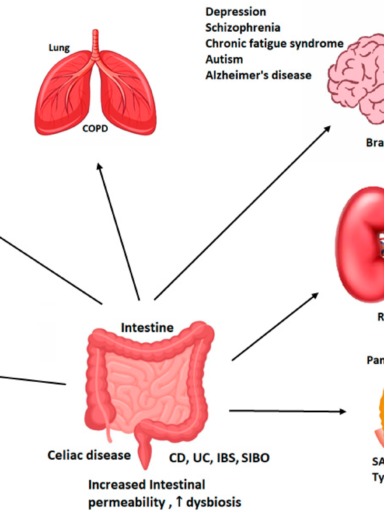
Highly processed foods can negatively affect the intestinal barrier, supporting the condition commonly known as “leaky gut,” which is strongly associated with many autoimmune processes.
2. Insulin Resistance and Type 2 Diabetes
For people struggling with blood sugar regulation, commercial gluten-free products may sometimes create even more problems than traditional gluten-containing products.
Higher glycemic index than white bread:
While regular white wheat bread already has a high glycemic index (around 70–75), gluten-free breads based mainly on corn starch, potato starch, or tapioca starch can often reach values above 85 or even close to 90.
The loss of natural “brakes” on sugar absorption:
In wheat flour, gluten is a protein that, together with fiber, can slow carbohydrate absorption to some extent. When gluten is removed and the base becomes pure starch without fiber, this natural “brake” disappears.
The starch is rapidly broken down in the small intestine, causing glucose to enter the bloodstream very quickly.
The insulin resistance cycle:
This sudden spike forces the pancreas to produce large amounts of insulin. When this happens repeatedly through daily consumption of such bread or pasta, cells may become less responsive to insulin.
After each spike, blood sugar may drop sharply (reactive hypoglycemia), leading to chronic fatigue, brain fog, and renewed intense cravings for more carbohydrates.
3. Candida Overgrowth (Candidiasis)
Candida albicans is an opportunistic yeast that naturally exists in the human body, but its uncontrolled growth is strongly encouraged by a diet rich in fast-digesting carbohydrates.
The problem with starch:
Starch is chemically a long chain of glucose molecules. When you consume bread made from tapioca or corn starch, enzymes such as amylase in the mouth and digestive tract rapidly break it down into simple sugars.
This provides a direct and abundant source of fuel for Candida.
As long as commercial gluten-free breads remain a major part of the diet, antifungal protocols and efforts to rebalance Candida may be much less effective.
4. Gut Dysbiosis and Bacterial Imbalance (SIBO and Gut Pathogens)
Digestive health depends on a delicate balance between beneficial and potentially harmful microorganisms.
Dysbiosis, especially SIBO (Small Intestinal Bacterial Overgrowth), requires careful control of fermentable substrates.
The problem with starch:
Fast-digesting, modified starches can become an ideal food source for undesirable bacteria.
Instead of reaching the colon and feeding beneficial gut bacteria (which is the role of complex fibers), these starches may ferment too early in the digestive tract.
The result can include chronic gas, bloating, cramps, heartburn, and further progression of dysbiosis.
What Is the Solution? Returning to Naturally Whole Foods
Does this mean you should give up a gluten-free diet? Absolutely not.
The solution is moving away from an “industrial gluten-free diet” toward a naturally gluten-free approach.
The focus should be on pseudograins and seeds in their whole, unprocessed form. They are naturally rich in fiber, protein, and micronutrients that help stabilize blood sugar and support beneficial gut bacteria.
A Quick and Healthy Alternative: Homemade Gluten-Free Foods from Your Own Kitchen
To avoid the starch trap, one of the best solutions is to prepare your own bread, pancakes, or traditional baked goods at home.
These recipes do not require advanced cooking skills, yeast, or hours of waiting for dough to rise. They are quick to prepare and provide stable energy and longer-lasting satiety.
Examples:
- Buckwheat Bread Rolls (100% Buckwheat Flour) – Gluten-Free
- Buckwheat Soft Bread – A Healthy Choice for Stable Blood Sugar
- Buckwheat Pancakes (Gluten-Free)
The “gluten-free” label on packaging solves only one small piece of the puzzle.
For true gut recovery, immune balance, and metabolic health, we need to take control of the ingredients we consume.
By choosing whole foods such as buckwheat, quinoa, and millet, we give our body nourishment and support — not another industrial challenge.